If Mercer Island feels small on a map, it can feel surprisingly nuanced once you start looking block by block. You may already know you want the island’s central location and strong outdoor access, but the harder question is which part of the island actually fits your daily routine. The good news is that your best choice usually comes down to lifestyle, not guesswork. Let’s dive in.
Why micro-neighborhoods matter on Mercer Island
Mercer Island is just over five miles long and about two miles wide between Seattle and Bellevue, but its day-to-day feel changes meaningfully from one area to another. The city describes it as primarily a single-family residential community, with its commercial district and most multifamily housing concentrated at the north end.
That pattern matters when you start narrowing your search. In simple terms, some parts of Mercer Island support a more walkable, activity-rich routine, while others offer a quieter, more residential setting with larger lots and less street activity.
The island also has a deep amenity base, including about 475 acres of parkland and open space, more than 10 public waterfront parks, one public boat launch, and more than 50 miles of marked trails. So for many buyers, the real question is not whether Mercer Island has enough to do. It is which pocket of the island puts the right rhythm closest to home.
Start with your daily routine
A smart Mercer Island home search usually begins with how you want an ordinary Tuesday to feel. Do you want to walk to shops or transit, spend more time near fields and trails, or prioritize privacy and shoreline character?
The city’s planning documents show a clear split. The north end and Town Center are the most densely developed parts of the island, while many areas along East and West Mercer Way are less dense due to larger lots, steep slopes, ravines, and watercourses.
That means your neighborhood choice often comes down to a simple trade-off. If you want convenience and easier access to retail and transit, the north end may feel right. If you want more privacy, larger-lot character, and a quieter street presence, the island’s edges may be a better fit.
Town Center and the north end
Best for walkability and transit
If you want the most connected, car-light routine on Mercer Island, Town Center and the north end are the natural starting point. This is the island’s core commercial district, with local shops, restaurants, service businesses, and multifamily housing concentrated in one area.
Transit access is also strongest here. Mercer Island Station opened for service on March 28, 2026, and is served by the 2 Line, with the station located in the center of I-90 across from the Park-and-Ride and near Town Center.
The city also identifies the 447-stall Mercer Island Park-and-Ride, a 33-stall Town Center parking area, DART routes 204 and 630, and Sound Transit routes 550 and 554 as part of the area’s mobility network. For buyers who expect to use transit regularly or want a more connected routine, that concentration of options can be a major advantage.
What the lifestyle feels like
Town Center is designed to support walking, biking, and transit use more than other parts of the island. Compared with quieter residential streets, you should expect more activity, more visitor traffic, and more parking management.
That is not a drawback for every buyer. For some, it is exactly the appeal. If you enjoy having services and green space close by, this part of the island offers easy access to Mercerdale Park, a 12-acre community park with an inclusive playground and skate park, as well as Bicentennial Park, which hosts the farmers market in season.
Who may prefer this area
Town Center and the north end may be the right fit if you want:
- The most walkable Mercer Island routine
- Stronger transit access for commuting
- Easy access to shops, services, and restaurants
- A more compact, active neighborhood feel
Interior neighborhoods and classic single-family streets
Best for a quieter residential rhythm
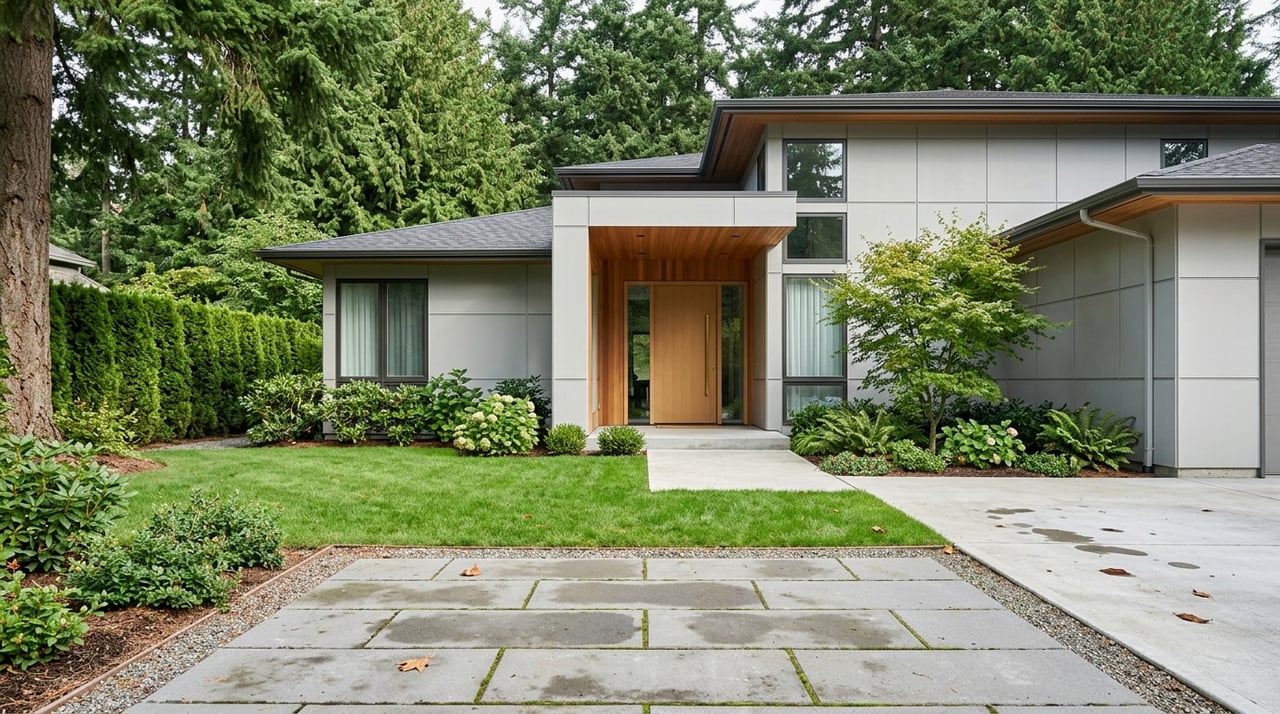
If you picture Mercer Island as calm streets, dense greenery, and a more traditional single-family setting, the island’s interior neighborhoods may feel more aligned. The city’s housing element describes single-family neighborhoods as the island’s predominant land use and notes that they are mostly automobile-oriented, with narrow, quiet streets and dense plantings.
The planning documents also note a difference between older and newer neighborhood patterns. Older neighborhoods typically sit on a more regular street grid with comparatively smaller lots, while newer development often includes larger homes on more irregular and steeply pitched lots with winding private roads.
Areas buyers often compare
Buyers looking for a classic neighborhood feel often compare areas near East Seattle, First Hill, and Island Crest Way. According to the city’s land-use documents, these are among the more densely developed residential sections outside the Town Center core, and they often reflect that older grid pattern.
This can be appealing if you want a residential setting that still feels established and convenient. In many cases, these neighborhoods offer a useful middle ground between the activity of the north end and the greater privacy of the shoreline edges.
Why this option stands out
These areas may suit you if you want:
- A predominantly single-family setting
- Quieter streets than Town Center
- An established neighborhood pattern
- A practical balance of access and residential feel
South end living
Best for fields, parks, and routine convenience
The south end often appeals to buyers who want a quieter residential feel with strong access to recreation. South Mercer Playfields, located behind Islander Middle School at 8220 SE 78th Street, includes turf field options for baseball, softball, soccer, and ultimate frisbee, plus a playground.
That kind of amenity can shape your daily routine in a very practical way. If your week includes outdoor recreation, organized activities, or regular park time, being near the south end can make that easier.
The south end also includes Mercer Village at the south-end QFC, where the city notes 17 free commuter spaces served by Metro routes 204, 630, and 989. For buyers who still want a workable commute setup without living in the north-end core, that can be a meaningful point of comparison.
Nature access without shoreline living
If you want easy access to nature but are not focused on direct waterfront living, Pioneer Park is another strong draw. Located on Island Crest Way and SE 68th Street, this 113-acre forest includes 6.6 miles of trails and is the island’s largest, least-disturbed forested natural area.
That makes the south and interior portions of the island appealing for buyers who want greenery and trails close to home. You can enjoy a nature-forward lifestyle without centering your search on shoreline property.
Waterfront pockets and shoreline edges
Best for privacy and water-focused living
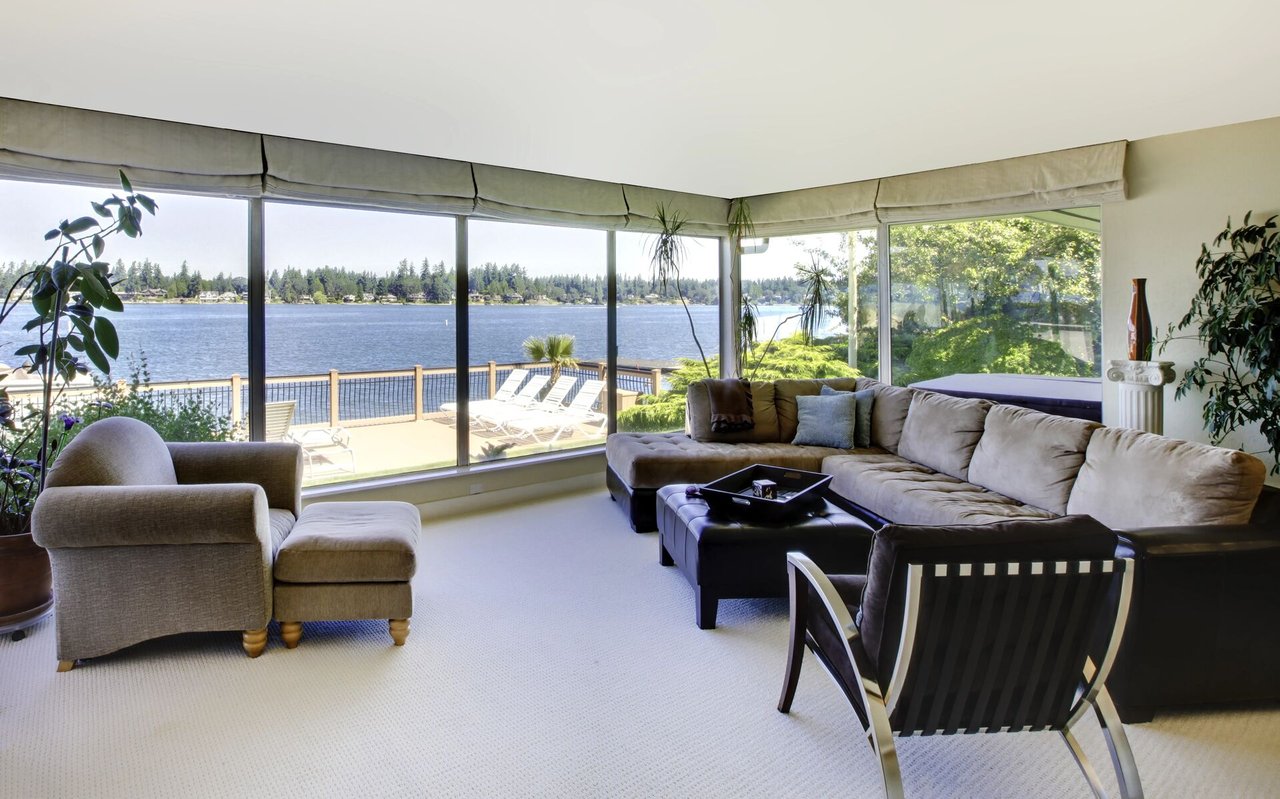
For many buyers, Mercer Island’s shoreline is the biggest lifestyle differentiator. Public lake access includes Clarke Beach Park on East Mercer Way, Groveland Beach Park on the west side, Luther Burbank Park, and 20 city street ends that total six acres and 1,140 feet of waterfront.
The shoreline areas along East and West Mercer Way also tend to feel different from the rest of the island. The city’s land-use element explains that these are generally among the least densely populated areas because larger lots, steep slopes, ravines, and small watercourses make development more difficult and more expensive.
In practice, that helps explain why many edge-of-island pockets feel more private and less street-active than Town Center. If you are drawn to a more tucked-away setting, this part of the island deserves close attention.
Public waterfront amenities to know
Mercer Island offers several public access points that shape the lifestyle of nearby areas:
- Clarke Beach Park: fishing and swimming piers plus an enclosed swim area
- Groveland Beach Park: the island’s only west-side beach and a high-use destination in summer
- Luther Burbank Park: docks, a swim beach, an off-leash dog area, sport courts, and trails
- City street ends: support activities such as swimming, wading, kayaking, and canoeing
One important practical note is that the city states public swim beaches are not staffed by lifeguards. That is simply part of understanding how you may use these spaces day to day.
What this part of the island offers
Shoreline and edge neighborhoods may be the best fit if you want:
- More privacy and less density
- Larger-lot character in many areas
- Easy access to waterfront parks and lake activities
- A scenic setting with a quieter street feel
A quick Mercer Island shortlist
If you are still sorting through options, this quick guide can help clarify your search:
| Lifestyle priority | Areas to explore first | Why |
|---|---|---|
| Walkability and transit | Town Center and the north end | Shops, services, station access, bus connections, and Park-and-Ride options are concentrated here |
| Quiet single-family setting | Interior neighborhoods near East Seattle, First Hill, and Island Crest Way | Predominantly residential areas with an established neighborhood pattern |
| Recreation and fields | South end and nearby interior streets | Easy access to South Mercer Playfields, Pioneer Park, and commuter options at Mercer Village |
| Privacy and water access | East Mercer Way and West Mercer Way shoreline pockets | Lower density, larger-lot character in many areas, and close access to waterfront amenities |
How to choose with confidence
The best Mercer Island micro-neighborhood is the one that supports your actual routine, not just your wish list. A home near Town Center may be ideal if you value a more connected, walkable day, while a home along the shoreline or in a quieter interior pocket may better match your need for privacy, scenery, or a slower pace.
This is where local context matters. On Mercer Island, small geographic shifts can change how a home lives day to day, from parking and transit patterns to trail access, waterfront proximity, and overall street activity.
If you want a more strategic way to compare Mercer Island neighborhoods, Diane Tien offers research-driven, community-first guidance to help you narrow the right fit with clarity and confidence.
FAQs
Which Mercer Island area is most walkable for buyers?
- Town Center and the north end are generally the most walkable areas because Mercer Island’s shops, services, transit connections, and Park-and-Ride options are concentrated there.
Which Mercer Island neighborhoods feel quieter and more residential?
- Interior single-family neighborhoods and many south-end streets often feel quieter because the city describes these areas as predominantly residential, automobile-oriented, and lined with narrow streets and dense plantings.
Which Mercer Island areas have the strongest waterfront lifestyle?
- Shoreline pockets along East Mercer Way and West Mercer Way, plus areas near Clarke Beach, Groveland Beach, and Luther Burbank Park, are the strongest options for buyers who want water-focused living and public lake access nearby.
Which Mercer Island area is best for parks and trails access?
- The south and interior parts of the island are strong options if parks and trails are a priority, especially near South Mercer Playfields and Pioneer Park, which includes 6.6 miles of trails across 113 acres.
How should buyers compare Mercer Island micro-neighborhoods?
- Start by ranking your priorities around walkability, transit, privacy, recreation, and waterfront access, then compare which area best supports your everyday routine rather than focusing only on the home itself.