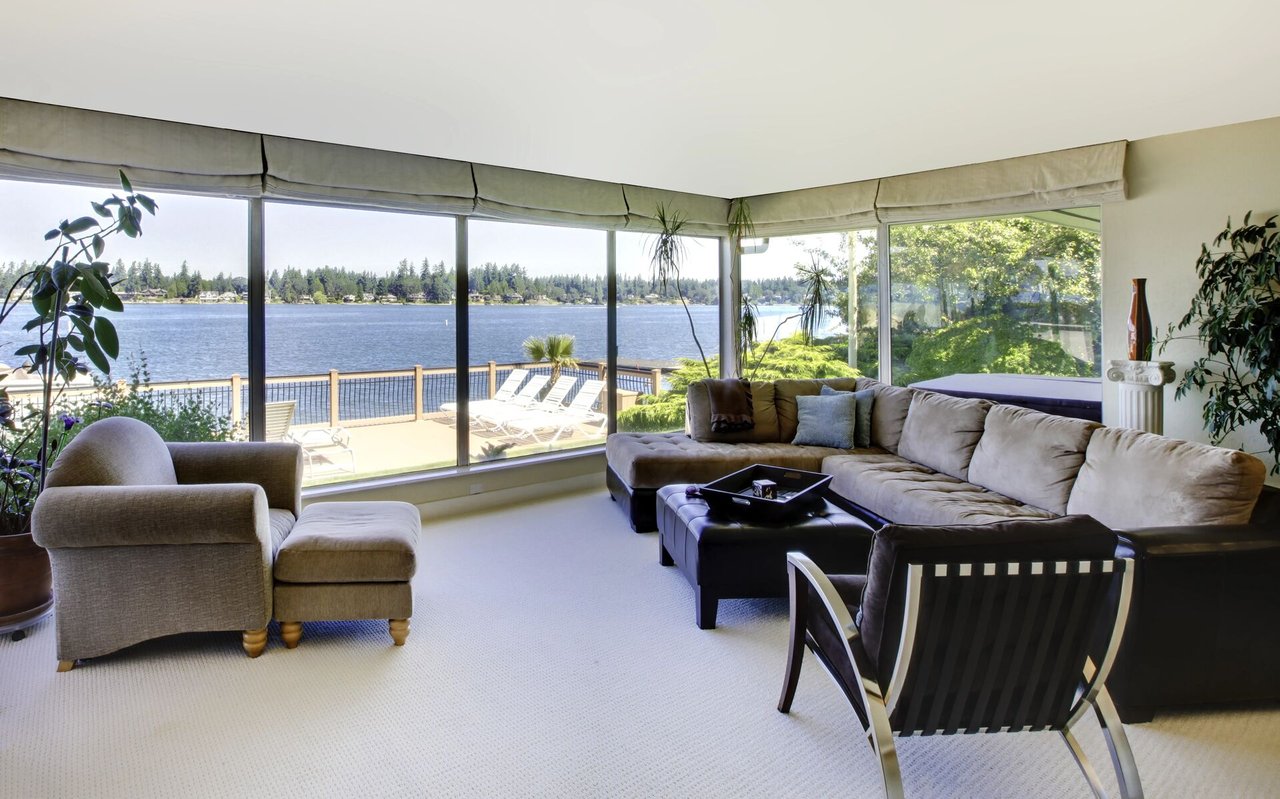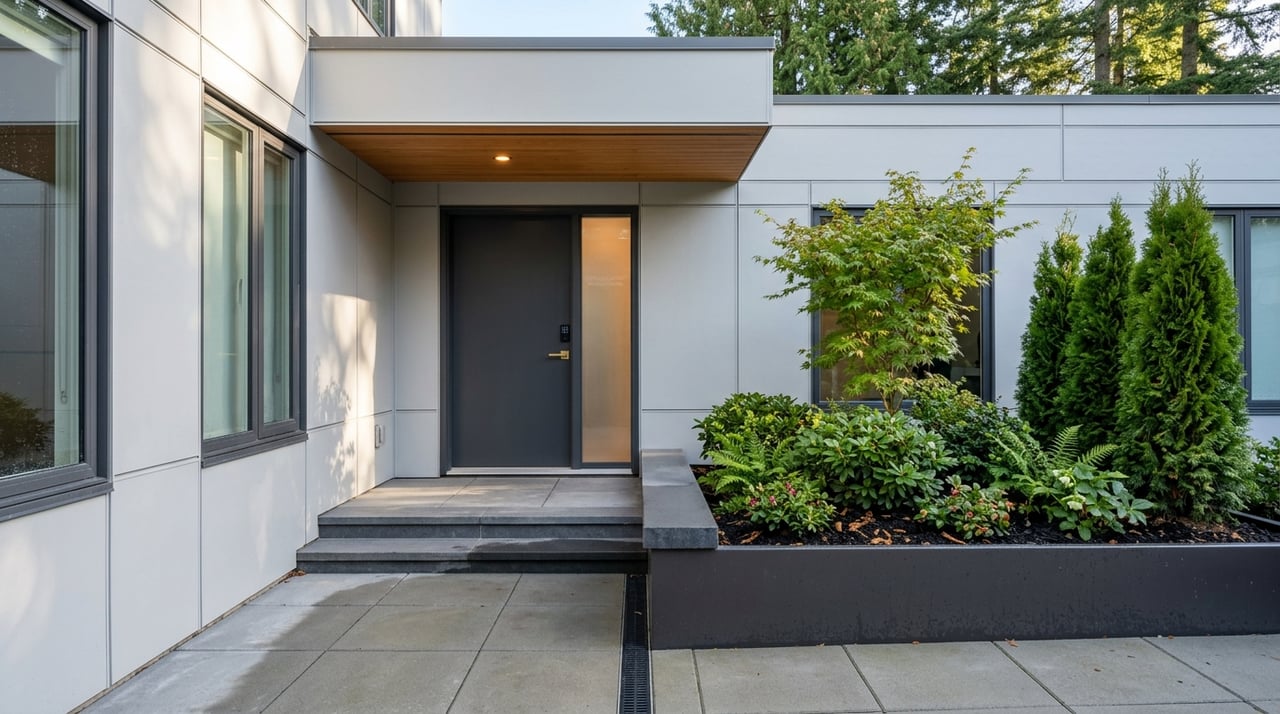
Thinking about leaving a larger Mercer Island home for something simpler in Bellevue? You are not alone. For many Eastside homeowners, downsizing is less about giving something up and more about gaining flexibility, lowering day-to-day upkeep, and putting hard-earned equity to work in a smarter way. This guide walks you through the financial tradeoffs, timing decisions, and Bellevue housing options that can make a lock-and-leave move feel strategic instead of stressful. Let’s dive in.
Why this move makes sense now
If you own on Mercer Island, you may be sitting on substantial equity. NWMLS reported a 2025 median sales price of $2,397,000 in Mercer Island’s 98040 zip code, compared with $2,020,000 in West Bellevue’s 98004 and $1,750,000 in South Bellevue’s 98006. That pricing gap can create room to buy a smaller Bellevue home while potentially reducing upkeep and freeing up capital.
The condo market adds another layer of opportunity. NWMLS reported a 2025 King County condo median of $560,000, far below Mercer Island’s single-family pricing. If your goal is to stay on the Eastside but move into a more travel-friendly home, that difference in price bands is a major reason this transition appeals to many owners.
The broader market also gives buyers more breathing room than in peak frenzy years. NWMLS reported average active listings of 16,007 in 2025 and 2.83 months of supply statewide, and in April 2026 active listings were up 28.4% year over year while median pricing held steady. In practical terms, that can mean more Bellevue options to compare, even as affordability still requires careful planning.
What “lock-and-leave” really means
A lock-and-leave home is usually less about square footage alone and more about reduced owner responsibility. Many buyers looking from Mercer Island to Bellevue want a home that is easier to step away from for weekends, extended travel, or a busy work schedule. That often points to a condo, townhome, or a smaller residence with exterior maintenance handled in part by an HOA.
That said, low-maintenance does not mean no-maintenance. Monthly housing cost can still include mortgage payments, property taxes, insurance, HOA dues, utilities, and out-of-pocket repairs. A smart comparison is not just home price versus home price, but owner labor versus monthly dues and shared services.
Bellevue areas that support a lock-and-leave lifestyle
Downtown Bellevue convenience
Downtown Bellevue is one of the clearest fits for buyers seeking a simpler ownership experience. The city describes downtown as a planned live-work urban center with more than 14,000 residents and 60,000 employees, with ongoing efforts focused on pedestrian comfort and livability. For you, that can translate into easier access to daily needs and a more compact routine.
If you want a home base that feels connected and easy to manage, downtown often checks key boxes. You may find condos or townhome-style residences that trade yard work and larger-home upkeep for convenience, shared amenities, and proximity to services.
Transit-friendly Bellevue options
Transit access matters more when you want flexibility. Sound Transit opened the Link 2 Line across Lake Washington on March 28, 2026, with service running about every eight minutes at peak and roughly from 5 a.m. to midnight daily. Bellevue Downtown Station is now a meaningful factor for buyers who want a practical car-light base.
For some downsizers, that means one less daily driving obligation. For others, it simply adds travel convenience and broader access to the region while keeping a Bellevue address.
Townhomes and middle housing choices
Bellevue’s housing landscape is also evolving. The city’s middle housing code amendments require Bellevue to allow more housing types, including townhomes, stacked flats, cottage housing, and courtyard apartments. Depending on the location, the code allows up to four units per lot, or six near major transit stops or when two units are affordable.
That matters because your downsizing options may be broader than the traditional condo-versus-house choice. If you want a smaller footprint but still prefer more separation than a typical high-rise unit, Bellevue’s expanding townhome and attached-home inventory may be worth a close look.
Start with the financial picture
Before you browse listings, build a clear net sheet for your Mercer Island sale and a realistic monthly-cost estimate for your Bellevue purchase. This step helps you avoid focusing only on sticker price. It also gives you a stronger foundation for deciding whether to buy first, sell first, or structure the move with some overlap.
Selling costs to account for
One of the biggest line items on a Mercer Island sale is Washington’s real estate excise tax. The Washington State Department of Revenue says the seller usually pays this tax, and the state portion uses a graduated structure of 1.10%, 1.28%, 2.75%, and 3.0% depending on sale price. Bellevue and Mercer Island each also have a 0.50% local REET rate.
On a high-value sale, that tax has a real impact on your net proceeds. You will also want to account for commissions, staging, moving costs, and closing-related expenses so your Bellevue budget is based on actual numbers rather than rough assumptions.
Buying costs to account for
On the purchase side, your monthly cost goes beyond principal and interest. Costs can include mortgage insurance, property taxes, homeowners insurance, supplemental insurance, HOA dues, maintenance, repairs, and utilities. Closing costs also typically run about 2% to 5% of the purchase price, excluding your down payment.
This is one reason a lock-and-leave decision works best when viewed holistically. A Bellevue condo or townhome may reduce your maintenance burden, but HOA dues, insurance structure, parking fees, and reserve contributions all affect the real cost of ownership.
Property tax programs to review
Some Washington homeowners may qualify for primary-residence property tax exemption or deferral programs. The Department of Revenue says eligibility depends on factors such as age, disability, veteran status, income, and other rules, and county assessors administer the programs. If this applies to you, it is worth reviewing before you commit to your next home.
Because deferred amounts are repaid when the home is sold or no longer used as a primary residence, the details matter. This is not a universal benefit, but for eligible households it can shape how you evaluate long-term housing costs.
Buy first or sell first?
This is one of the biggest strategy questions in a Mercer Island-to-Bellevue downsize. The right answer depends on your cash position, risk tolerance, and how specific your Bellevue search criteria are.
When selling first may feel safer
Selling first can give you a cleaner financial picture. You know your net proceeds, your down payment funds are more certain, and your monthly overlap risk is lower. In a high-value sale, that clarity can be especially helpful.
The tradeoff is timing. You may need temporary housing, a longer closing timeline, or a rent-back arrangement if you have not yet secured the right Bellevue property.
When buying first may feel easier
Buying first can reduce the pressure of having to find your next home under a deadline. If you know you want a specific Bellevue building, location, or layout, securing that home before listing on Mercer Island may feel more controlled.
The challenge is carrying overlap. You need to understand whether your lender supports that structure and whether your cash reserves comfortably cover the transition period.
Tools that can help with overlap
Preapproval timing
A preapproval letter is important, but timing matters. CFPB says preapprovals are tentative, often required by sellers, and typically expire in 30 to 60 days. Lenders review your income, assets, debts, and credit before issuing one.
If you get preapproved too early, you may need to refresh the process before you are ready to write. If you wait too long, you may lose time when the right Bellevue home appears.
Bridge loans and short-term financing
CFPB defines a temporary bridge loan as 12 months or less, including a loan used to buy a new dwelling when you plan to sell your current home within 12 months. For some downsizers, this can create useful flexibility. It may allow you to buy first, move on a calmer schedule, and then sell the Mercer Island property.
This option is not right for everyone. The cost, qualification standards, and risk of carrying two homes for a period should be weighed carefully with your lender and advisor.
Rent-back arrangements
A rent-back can also help smooth the sequence. The concept is simple: you sell your current home but stay in it for a negotiated period after closing. Research in your report notes that Fannie Mae recognizes rent-back credits for post-closing occupancy, though those credits cannot count as eligible funds for closing costs, down payment, or reserves when a borrower is qualifying.
In practical terms, a rent-back can buy you time, but it needs to be coordinated carefully. Possession timing, move logistics, and lender expectations all need to align.
Due diligence matters more in condos and townhomes
If your next home is likely to have an HOA, review the rules with care. A building or community may look perfect at first glance, but the day-to-day fit often comes down to details.
Focus on questions like these:
- What do HOA dues actually cover?
- Are there rental restrictions?
- What are the pet rules?
- How are parking and guest parking handled?
- Is there dedicated storage?
- What exterior maintenance is absorbed by the HOA?
- How healthy are the reserves?
A lock-and-leave home works best when the operational details match your lifestyle. If you travel often, simple things like secure package handling, accessible parking, elevator reliability, and straightforward maintenance protocols can matter just as much as finishes and floor plan.
Build your team early
The smoothest downsizing moves usually start with coordination before the first offer is accepted. That means aligning your listing strategy, purchase plan, lender conversations, and closing timeline early.
For many Mercer Island sellers moving to Bellevue, the key planning questions are straightforward:
- What are your expected net proceeds after REET and selling costs?
- How much cash do you want to preserve versus put down?
- Do you need a bridge loan, rent-back, or longer closing timeline?
- What type of Bellevue home best fits your travel and maintenance goals?
- Are there tax program questions to review for your next primary residence?
This is where a research-driven plan can reduce stress. Instead of reacting to the market one step at a time, you can move with a framework that supports both your financial goals and your lifestyle goals.
Downsizing from Mercer Island to Bellevue is often a smart Eastside move, but the best outcomes usually come from thoughtful sequencing and disciplined due diligence. If you want to simplify your lifestyle without losing location advantages, a Bellevue lock-and-leave home can offer a compelling next chapter. If you are ready to map out timing, net proceeds, and the right Bellevue options, Diane Tien can help you build a strategy that is polished, practical, and tailored to your goals.
FAQs
What does a lock-and-leave home in Bellevue usually mean?
- It usually means a home with lower day-to-day upkeep, often a condo, townhome, or smaller residence where some exterior maintenance and shared services are handled through an HOA.
How much equity could a Mercer Island homeowner potentially redeploy in a Bellevue move?
- It depends on your home and sale terms, but NWMLS reported a 2025 median sales price of $2,397,000 in Mercer Island’s 98040 zip code, compared with $2,020,000 in West Bellevue’s 98004 and $1,750,000 in South Bellevue’s 98006.
What selling taxes should Mercer Island homeowners plan for before buying in Bellevue?
- Washington real estate excise tax is typically paid by the seller, with a graduated state rate and a 0.50% local REET rate in both Mercer Island and Bellevue, so it should be built into your net sheet early.
What should buyers review in a Bellevue condo or townhome HOA before downsizing?
- You should review dues, rental rules, pet policies, parking, storage, reserve health, and exactly what maintenance and exterior work the HOA covers.
How long does a mortgage preapproval usually last when shopping for a Bellevue home?
- CFPB says preapproval letters are tentative and typically expire in 30 to 60 days, so timing your application to your real search window matters.
Can a bridge loan help with a Mercer Island-to-Bellevue move?
- In some cases, yes. CFPB defines a temporary bridge loan as 12 months or less, including one used to buy a new home while planning to sell the current home within 12 months.
Are there Washington property tax relief programs for a new Bellevue primary residence?
- Possibly. Washington offers primary-residence property tax exemption and deferral programs for some senior, disabled, and veteran households, with eligibility based on income and other rules administered through county assessors.