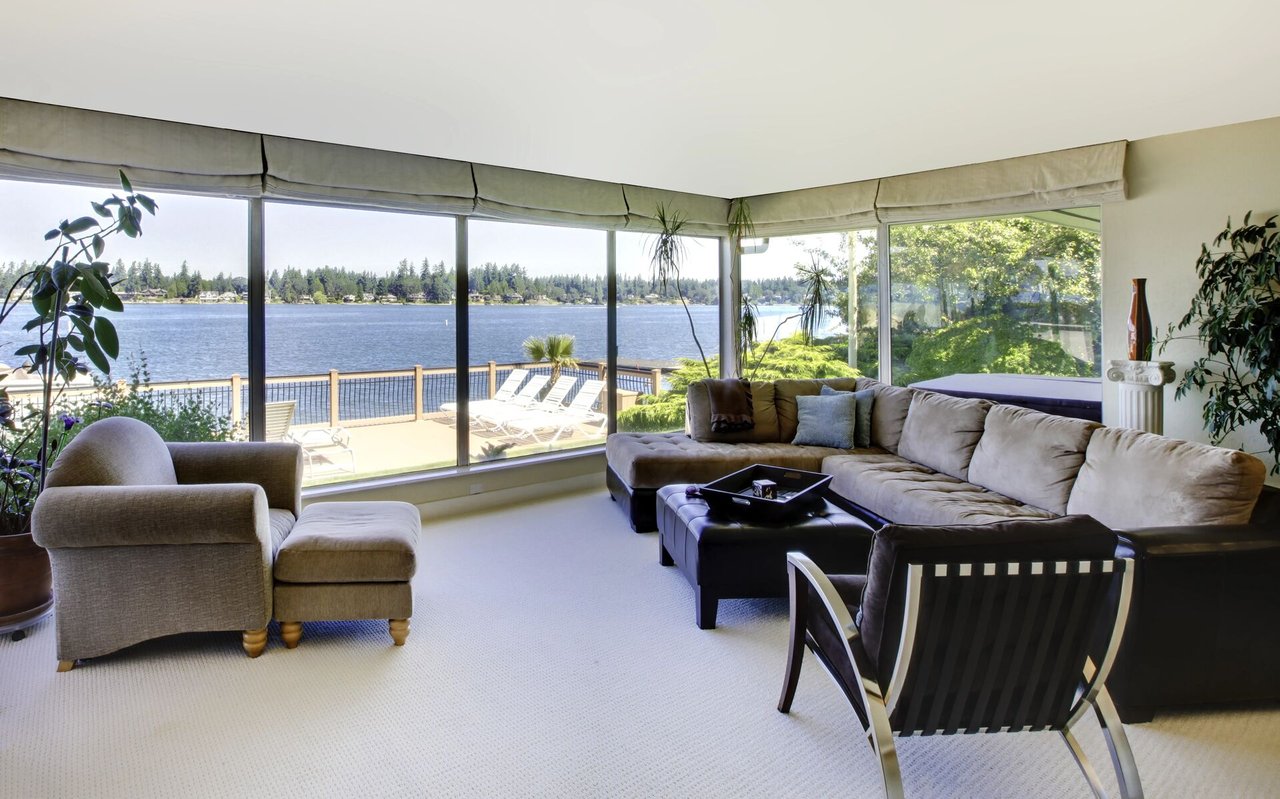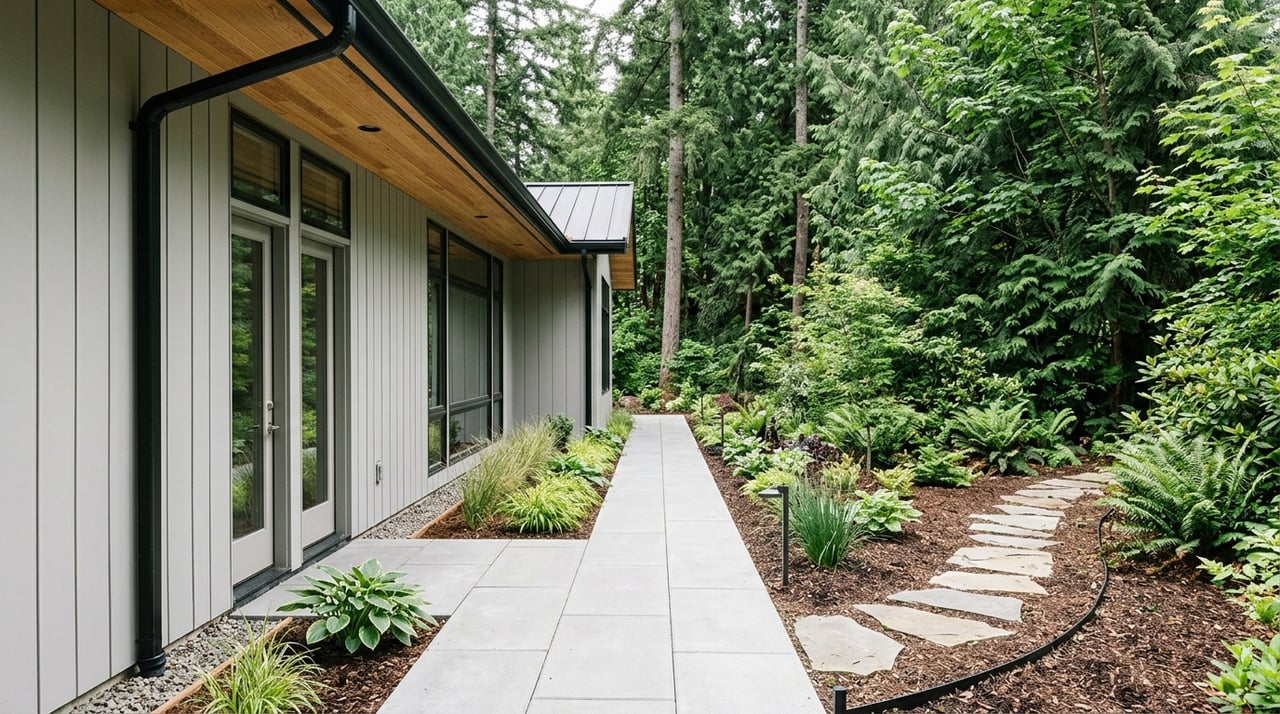
If your ideal weekend starts on a trail, near a lake, or in a park, both Issaquah and Sammamish deserve a close look. These two Eastside cities share easy access to nature, but they deliver that lifestyle in different ways. Understanding those differences can help you choose a home that fits not just your budget, but your daily routine, recreation style, and long-term goals. Let’s dive in.
Outdoor access feels different
Issaquah and Sammamish both appeal to buyers who want an outdoor-focused lifestyle, but the experience on the ground is not quite the same. Issaquah leans more mountain-and-trail oriented, while Sammamish centers more around lakes, parks, and neighborhood recreation.
That distinction matters when you picture your typical day. If you want steep trailheads, varied terrain, and quick access to major hiking areas, Issaquah stands out. If you want a more residential setting with nearby parks, lake access, and a strong everyday recreation pattern, Sammamish may feel like a better fit.
Issaquah offers broad trail access
Issaquah calls itself Trailhead City, and the numbers support that identity. The city highlights more than 200 miles of trails, over 60 trailheads, and 1,300 acres of open space. It also points residents to major outdoor destinations like Tiger Mountain, Cougar Mountain, Squak Mountain, Poo Poo Point, the Rainier Trail, and Lake Sammamish State Park.
For buyers who want hiking and trail running built into daily life, that is a meaningful advantage. You are not relying on one main park or trail corridor. Instead, you have a broader network and more topographic variety across the city.
Sammamish centers on lakes and parks
Sammamish has a different outdoor pattern. Its recreation system is more tied to the lake corridor, neighborhood parks, and connected open space. A key feature is the 11-mile East Lake Sammamish Trail, which runs along the eastern shore of the lake.
The city also highlights destinations like Pine Lake Park, Beaver Lake Park, Beaver Lake Preserve, and Sammamish Landing Park. Pine Lake Park includes a beach, boat launch, fishing, trails, and fields. Beaver Lake Park adds lake access, trails, fields, and an off-leash area, while Beaver Lake Preserve connects into a broader trail network through Soaring Eagle Park.
Lake access works in both cities
One important point for buyers comparing the two is that both cities benefit from Lake Sammamish. Lake Sammamish State Park sits in Issaquah at the lake’s south end, giving Issaquah a major regional lakefront destination. Issaquah also has smaller shoreline access points like Timberlake Park, which includes a half-mile trail down to the beach and shoreline.
Sammamish, meanwhile, is generally closer to the East Lake Sammamish Trail and to the Pine Lake and Beaver Lake recreation cluster. So if your idea of outdoor living is more about paddle days, park afternoons, and neighborhood lake access, Sammamish has a strong case.
Housing choices vary a lot
The biggest lifestyle difference between Issaquah and Sammamish may show up in the housing stock. Even though both are Eastside suburban markets, they do not offer the same mix of home types or neighborhood settings.
In simple terms, Issaquah gives you more variety. Sammamish is more consistently detached-home suburban.
Issaquah has more housing variety
According to a city housing report, single-family homes make up 39% of Issaquah’s housing stock. The remaining 61% is higher density, and 16% is one-unit attached housing such as townhomes. That creates a broader range of options for buyers who want different price points, lot sizes, or maintenance levels.
Issaquah’s official neighborhood planning also shows how varied the city can feel from one area to another. The city includes places like Central Issaquah, Issaquah Highlands, Issaquah Valley, Montreux, Newport, North Issaquah, Olde Town, Providence Point, South Lake Sammamish, Squak Mountain, Sycamore, and Talus.
Those areas are not interchangeable. Olde Town has a historic, walkable setting. Issaquah Highlands was planned as an urban village with more than 4,000 homes, a community center, fire station, hospital, open space, retail, and transit options. Newport includes apartments, single-family homes, condos, and townhouses, plus trail access to Cougar Mountain open space.
Other areas, like Squak Mountain and Sycamore, tend to feel quieter, woodier, and more lot-oriented. South Lake Sammamish offers a lake-adjacent setting near parks such as Timberlake, Blackberry, and Meerwood. For buyers, this means Issaquah can support very different lifestyles within the same city limits.
Sammamish stays more consistently suburban
Sammamish planning documents describe the city as relatively young, suburban, and predominantly detached single-family. The city cites a Census-based estimate showing that 83.4% of homes are detached single-family houses.
That gives Sammamish a more uniform residential feel. If you want a neighborhood pattern that is consistently home-centered and lower density, that may be part of the appeal. It can feel more predictable from one area to the next.
The same city sources also show an owner-occupied rate of 82.6% and a median value of owner-occupied housing at $1,407,300. In Issaquah, the corresponding QuickFacts figures are 57.4% owner-occupied and a median owner-occupied value of $963,000. While every home search is specific, those figures help explain why Sammamish is often experienced as a premium detached-home market.
Everyday convenience is not identical
Outdoor lifestyle is only part of the decision. Your day-to-day routine also matters, especially if you care about transit, errands, and how easily recreation fits around work and family schedules.
Here again, Issaquah and Sammamish differ in practical ways.
Issaquah has stronger transit access
Issaquah has two major transit hubs: the Sound Transit Issaquah Transit Center and King County Metro’s Issaquah Highlands Park & Ride. The city says riders can reach downtown Seattle, downtown Bellevue, First Hill, the University District, Northgate, Overlake, and Sammamish directly.
The city also notes express bus travel times of about 20 minutes to downtown Bellevue and 30 minutes to downtown Seattle. Metro Flex also serves Issaquah. For buyers who want more options beyond driving, that is a real advantage.
Daily convenience can also feel more concentrated in parts of Issaquah. Olde Town offers services in a historic downtown setting, while areas like Issaquah Valley and Newport connect parks, trailheads, and transit more closely. If you want errands and recreation to be near each other, Issaquah often feels more self-contained.
Sammamish is more car-oriented today
Sammamish has more limited fixed-route transit. The city lists Metro Route 269, Sound Transit Route 554, and Metro Flex, but also notes larger transportation constraints. Sammamish has no freeways running through it, and drivers rely on arterial roads such as 228th Avenue NE and SE, East Lake Sammamish Parkway, SE 43rd Way, and Inglewood Hill Road.
The city also identifies limited transit service and an unconnected street network as ongoing challenges. In practical terms, that means Sammamish often works best for buyers who are comfortable with a more residential, drive-dependent routine.
That said, Sammamish is working toward a more walkable center. Its Town Center planning is focused around Sammamish Commons, where the library, community and aquatic center, city hall, and planned retail and services are concentrated. Today, though, the city itself notes that walkable access to shops, restaurants, parks, and other amenities is still relatively rare across Sammamish.
Which lifestyle fits you best?
There is no universal winner here. The better choice depends on what outdoor living means to you and how you want your home base to function during the week.
If you are drawn to trail running, mountain access, varied topography, and more choice in housing types, Issaquah is often the stronger fit. It also tends to work better if you want some combination of transit access, walkable pockets, and distinct neighborhood personalities.
If you picture a quieter residential setting with a strong detached-home pattern, nearby parks, lake-oriented recreation, and a more uniform suburban feel, Sammamish may align better. It can be especially appealing if your priorities center on space, park access, and a consistent neighborhood rhythm.
A side-by-side comparison helps make the tradeoffs clearer:
| Lifestyle factor | Issaquah | Sammamish |
|---|---|---|
| Trail access | More than 200 miles of trails and 60+ trailheads | Stronger around the East Lake Sammamish Trail and park networks |
| Outdoor feel | Mountain-oriented and topographically varied | Lake-and-park centered |
| Housing mix | More varied with single-family, townhomes, condos, and multifamily | Mostly detached single-family |
| Neighborhood pattern | More internal variety from Olde Town to Highlands to wooded areas | More consistently suburban and residential |
| Transit | Two major transit centers and stronger express options | More limited fixed-route transit |
| Walkable errands | More established in select areas today | Primarily centered around Town Center planning |
Making a smart Eastside choice
When buyers compare Issaquah and Sammamish, the right answer usually comes from matching the city to your routine, not just your wishlist. A home can look great on paper, but if the trail access, commute pattern, or neighborhood setting does not match how you actually live, it may not feel right over time.
That is why a research-driven search matters. Looking closely at park systems, housing mix, transit options, and neighborhood character can help you narrow in on the areas that truly support your lifestyle.
If you are weighing Issaquah against Sammamish and want a strategic, neighborhood-level perspective on where you may fit best, Diane Tien can help you compare options with clear guidance tailored to your goals.
FAQs
Which city is better for hiking in Issaquah or Sammamish?
- Issaquah is generally the stronger choice for hiking and trail running because the city highlights more than 200 miles of trails, over 60 trailheads, and access to mountain destinations like Tiger Mountain, Cougar Mountain, and Squak Mountain.
Which city has better lake access for homebuyers, Issaquah or Sammamish?
- Both offer strong lake access, but in different ways. Issaquah includes Lake Sammamish State Park and shoreline spots like Timberlake Park, while Sammamish is typically closer to the East Lake Sammamish Trail and the Pine Lake and Beaver Lake park cluster.
Which city offers more housing variety, Issaquah or Sammamish?
- Issaquah offers more variety. City data says 39% of its housing stock is single-family, while 61% is higher density, including townhomes and other attached housing. Sammamish is much more heavily detached single-family at 83.4%.
Which city feels more suburban, Issaquah or Sammamish?
- Sammamish generally feels more consistently suburban because its housing stock is mostly detached single-family and its planning documents describe the city as predominantly residential.
Which city is better for transit to Bellevue or Seattle, Issaquah or Sammamish?
- Issaquah usually has the edge for transit. The city has two major transit centers and direct service options to Bellevue and Seattle, while Sammamish has more limited fixed-route service and relies more on arterial driving.
Which city has better walkable areas, Issaquah or Sammamish?
- Issaquah has more established walkable pockets today, especially in areas like Olde Town and parts of Central Issaquah. Sammamish is building toward a more walkable Town Center, but the city says walkable access to shops and services is still relatively uncommon across the broader community.