Wondering whether Kirkland waterfront living is worth the premium, or if an in-town home gives you more of what you actually use day to day? It is a smart question, especially in a market where one part of Kirkland can feel very different from another in both lifestyle and price. If you are weighing lake access, walkability, maintenance, and long-term flexibility, this guide will help you compare the tradeoffs with more clarity. Let’s dive in.
Kirkland Is Not One Price Point
A big mistake buyers make is treating Kirkland like a single market. In reality, it is a collection of micro-markets with very different pricing, housing types, and lifestyle patterns.
Recent market data puts broader Kirkland around the low-to-mid $1.2 million range, depending on the source and timing. Zillow shows a typical home value of $1,249,687 and a median sale price of $1,238,600 as of late May 2026, while Redfin reported a March 2026 median sale price of $1.4 million.
That citywide view only tells part of the story. Neighborhood-level values vary sharply, with Zillow placing Market-Downtown at about $3.03 million, Norkirk at about $1.98 million, Highlands at about $1.67 million, Moss Bay at about $1.10 million, and South Juanita at about $872,706.
For you as a buyer, that means “in-town” is not a single budget category. Some close-in areas already sit firmly in luxury territory, while others are much closer to Kirkland’s overall median.
What Waterfront Really Buys You
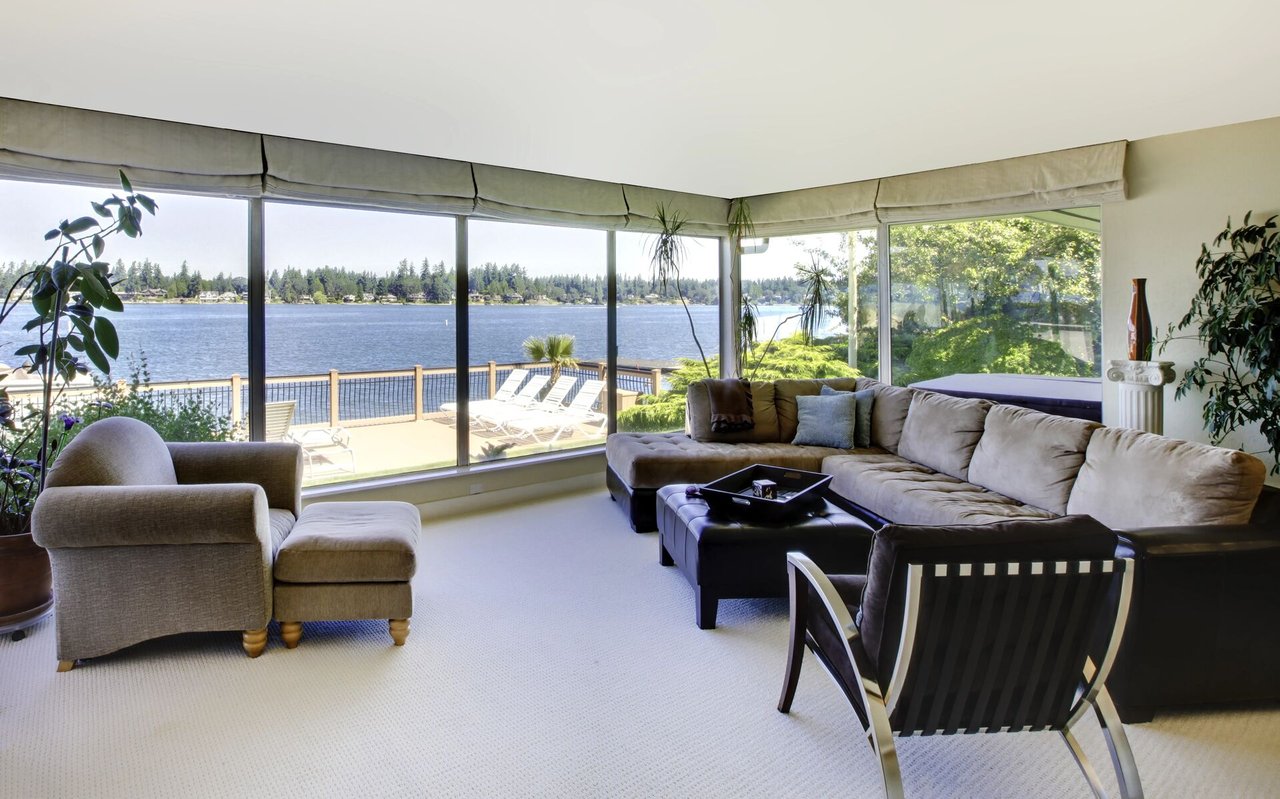
Waterfront in Kirkland is usually a lifestyle purchase first. You are paying for direct shoreline, lake views, privacy, and a level of scarcity that simply does not exist in most in-town options.
That scarcity shows up clearly in the numbers. In 2024, Kirkland waterfront homes accounted for 23 closed sales, or about 2% of the city’s total sales, with a median sales price of $6.3 million, average days on market of 63, and average price per square foot of $1,653.
Compared with the broader Kirkland market, that is a very specialized segment. It tends to move differently, attract a narrower buyer pool, and sit at a much higher entry point.
Waterfront Means Direct Lake Access
For some buyers, private shoreline changes everything. If you plan to use a dock, enjoy immediate water access, or want the visual calm of living on Lake Washington every day, waterfront offers something in-town homes cannot fully replicate.
That said, it is important to be honest about how much you will use those benefits. If the lake view and shoreline access are central to your daily life, the premium may feel justified. If not, you may be paying a lot for features you enjoy only occasionally.
Waterfront Comes With More Complexity
The other side of waterfront ownership is regulation and upkeep. Kirkland’s Shoreline Master Program applies to land within 200 feet of Lake Washington’s ordinary high water mark, and shoreline construction or repair generally requires a permit or exemption review.
The city’s shoreline rules also address work related to features like piers and bulkheads. In some situations, soft shoreline stabilization is preferred over hard shoreline work, which can add another layer of project planning and coordination.
In practical terms, that means waterfront ownership can involve more than standard home maintenance. If you are considering this path, it helps to go in with clear expectations around permitting, repair timelines, and specialized vendor needs.
Why In-Town Kirkland Appeals To So Many Buyers
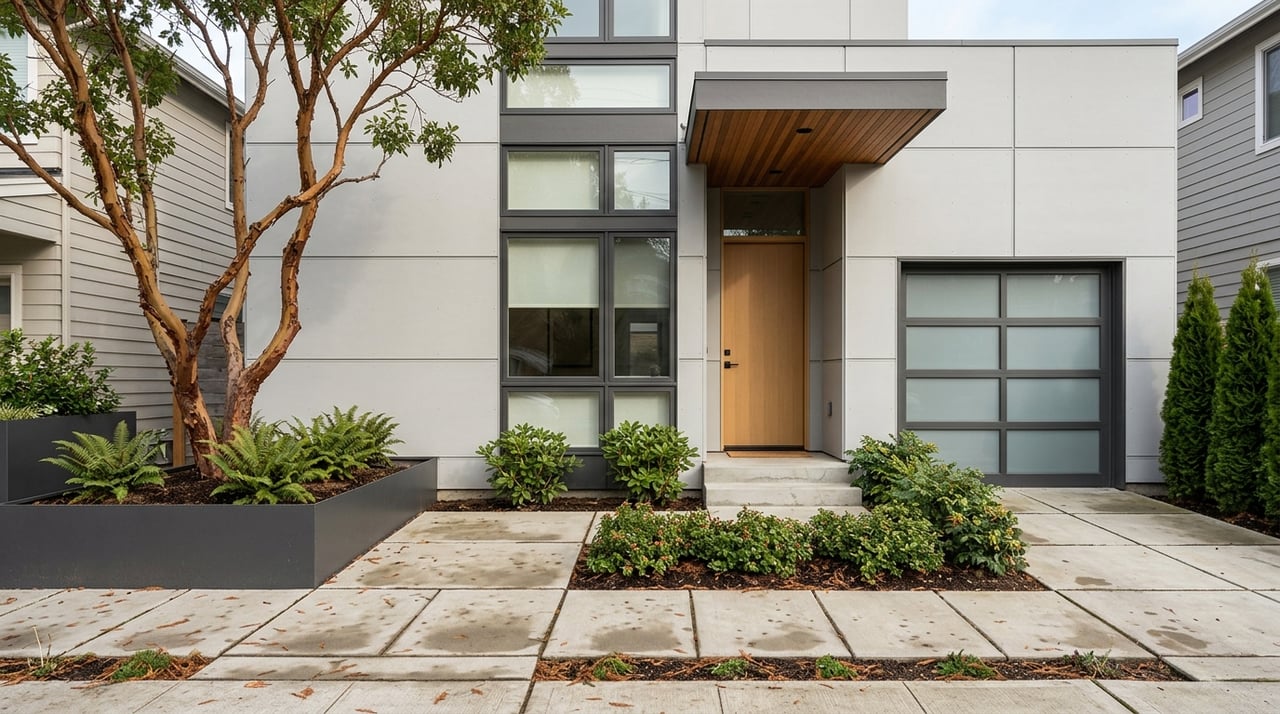
If waterfront is the lifestyle purchase, in-town Kirkland is often the convenience purchase. It tends to appeal to buyers who want daily ease, simpler ownership, and flexible access to the amenities that shape everyday life.
Kirkland’s Greater Downtown Urban Center is planned by the city as a walkable, compact, pedestrian- and transit-oriented area. It includes historic downtown, the Kirkland Transit Center, one mile of the Cross Kirkland Corridor, and a mix of commercial and higher-density residential uses.
That planning framework matters because it shapes how a place functions day to day. For many buyers, being able to walk to restaurants, services, parks, and the lake is more valuable than owning the shoreline itself.
In-Town Living Is About Daily Efficiency
The Moss Bay Neighborhood Plan describes downtown as Kirkland’s historic commercial center, with stores, restaurants, services, waterfront access, parks, the library, the Peter Kirk Community Center, and the transit center. That is a strong case for buyers who want more built into their routine.
The city’s Active Transportation Plan supports that same idea by focusing on safe walking, biking, and rolling connections to activity centers, transit, parks, and the Cross Kirkland Corridor. For you, the benefit is not just location on a map. It is a smoother day-to-day rhythm.
This kind of setup can be especially attractive if you value being able to leave the car parked more often. It can also make a home feel more adaptable as your schedule changes over time.
You Can Enjoy The Lake Without Owning Shoreline
One of the strongest arguments for in-town or close-in Kirkland is that public lake access is already part of the lifestyle. You do not have to own waterfront to spend time by the water.
Kirkland offers downtown waterfront access at Marina Park, and the city maintains three guarded swimming beaches: Houghton Beach, Waverly Beach, and Juanita Beach. For many buyers, that access narrows the lifestyle gap between private shoreline and close-in living.
If your goal is regular enjoyment of the lake rather than private ownership of it, this can be an important value point. You may be able to keep the waterfront feel in your life without taking on the full waterfront price and maintenance profile.
Comparing Waterfront And In-Town Costs
Price is not the only difference, but it often shapes the whole decision. Waterfront and in-town Kirkland can sit in completely different financial lanes.
Broadly speaking, citywide Kirkland values are around the low-to-mid $1.2 million range, while waterfront sales are in a far more rarefied tier. At the same time, close-in neighborhoods vary widely, with Moss Bay near $1.10 million and Market-Downtown around $3.03 million.
That range is important because it shows there is no single “in-town” price. Depending on the neighborhood, in-town living may offer a more accessible entry point, or it may still command a premium if you want to be in one of Kirkland’s most central locations.
Which Lifestyle Fits You Best?
The best choice usually comes down to how you actually live, not just what sounds appealing. A beautiful home can still be the wrong fit if it does not support your routines, priorities, and long-term plans.
Waterfront May Fit You If
- You want direct shoreline and view-driven living
- You value privacy and exclusivity more than walkable convenience
- You expect to use the lake, dock, or boating lifestyle often
- You are comfortable with a higher price point and more specialized upkeep
- You are prepared for added permitting or project coordination tied to shoreline rules
In-Town May Fit You If
- You want to walk to coffee, restaurants, parks, or services regularly
- You care about transit access and everyday efficiency
- You want easier ownership with fewer shoreline-related maintenance issues
- You still want access to the lake through public parks and beaches
- You value broader day-to-day lifestyle flexibility
Think About Resale, Too
Even if you plan to stay for years, resale flexibility still matters. Different property types can attract very different buyer pools.
Waterfront may hold strong appeal because supply is tiny and the offering is distinctive. At the same time, that niche appeal can mean resale is more idiosyncratic and sometimes slower, as reflected in the smaller share of total sales and longer average market time.
In-town and close-in homes often appeal to a broader set of buyers because they support more lifestyle patterns. Walkability, transit access, and simpler maintenance tend to be relevant to more households, which can support wider resale interest over time.
A Smart Way To Make The Decision
If you are torn between the two, try evaluating homes through a practical lens rather than an aspirational one. Ask yourself where you will get the most value from your actual weekly routine.
A few helpful questions to consider:
- Will you use private shoreline often enough to justify the premium?
- Do you want your home to feel like a retreat, or a launch point for daily convenience?
- How comfortable are you with shoreline-related permitting and maintenance?
- Would public lake access meet most of your lifestyle goals?
- Are you prioritizing uniqueness, ease, or a balance of both?
In Kirkland, both paths can be compelling. The key is matching the property to your lived priorities, not just the headline appeal.
If you want a research-driven, neighborhood-specific strategy for buying in Kirkland, Diane Tien offers curated guidance, strategic negotiation, and high-touch support tailored to how you want to live.
FAQs
Is Kirkland waterfront always the better buy for buyers?
- No. Waterfront offers direct shoreline, views, and exclusivity, but it also comes with a much higher price point, more regulation, and more specialized maintenance.
Can you get a waterfront lifestyle in Kirkland without buying a waterfront home?
- Yes. Kirkland offers public waterfront access at Marina Park and has three guarded swimming beaches: Houghton Beach, Waverly Beach, and Juanita Beach.
Which Kirkland areas are most aligned with walkable in-town living?
- Kirkland’s Greater Downtown Urban Center and nearby close-in neighborhoods such as Moss Bay are the clearest examples of walkable, convenience-focused living.
What are the hidden costs of owning waterfront property in Kirkland?
- The main non-obvious costs are shoreline-related permitting, repair coordination, and maintenance tied to features such as piers, bulkheads, and shoreline stabilization.
Is in-town Kirkland always more affordable than waterfront?
- Generally yes, but in-town pricing still varies widely by neighborhood. Some close-in areas are near the citywide median, while others, such as Market-Downtown, are already in a much higher price tier.