Torn between Mercer Island and Bellevue for your next home? You are not alone. Each offers a distinct lifestyle, housing mix, and commute experience that can shape your day-to-day. In this guide, you will compare prices, housing types, transit access, walkability, parks, and neighborhood character so you can decide with confidence. Let’s dive in.
Mercer Island vs Bellevue at a glance
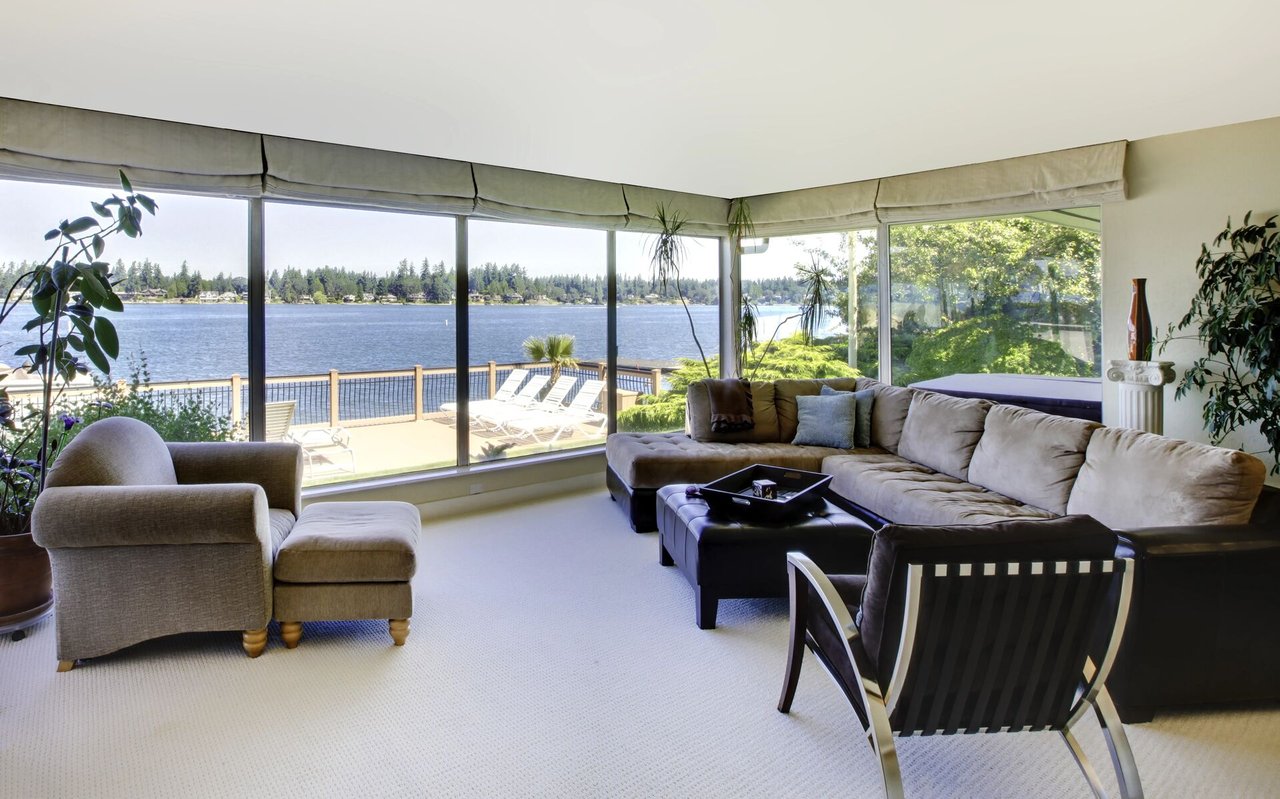
- Mercer Island is a small, predominantly residential island with an outsized share of single-family homes and a limited condo market. Prices often sit at the high end of the Eastside market.
- Bellevue is the Eastside’s urban core with diverse housing options, from downtown high-rise condos to single-family neighborhoods across many price tiers and lot sizes. The city is planning for continued growth around transit and mixed-use districts. (Bellevue comprehensive plan context)
- Quick tradeoff: choose Mercer Island if you want a quiet, park-rich island feel and larger yards. Choose Bellevue if you want city conveniences, a wider range of housing types, and easy access to multiple job centers.
Housing types and price ranges
Mercer Island: homes, lots, and pricing
Mercer Island’s market is dominated by single-family homes on residential lots. City planning materials reference roughly 7,500 residentially zoned lots that are adapting to middle-housing legislation, which underscores how detached homes define the island’s landscape. (Mercer Island planning overview)
Typical price bands in 2024–2025 commonly land in the low-to-mid $2 million range for the overall market. Condos trend lower, with many listings appearing between about $400,000 and $900,000, with some townhomes higher. Different data vendors use different methods, so treat these as broad ranges rather than a single point.
Lots on Mercer Island are often medium to large by suburban standards. Interim rules reference a 6,000 square foot threshold for certain standards, which is a useful proxy for the scale you will see on many parcels. Critical areas, shoreline setbacks, and covenants can impact redevelopment feasibility, so review parcel specifics early. (Mercer Island interim rules)
Bellevue: homes, neighborhoods, and pricing
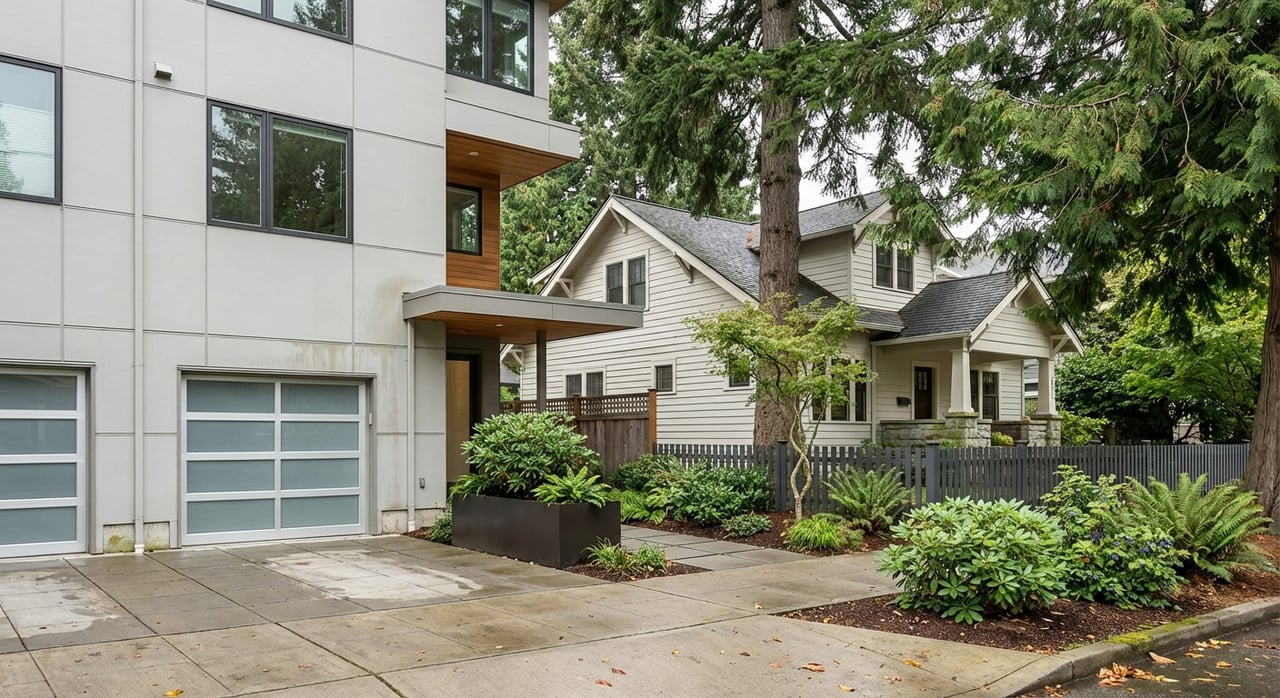
Bellevue offers a full spectrum: downtown high-rise condos, several mixed-use and transit-focused districts like Bel-Red, Wilburton, and the Spring District, plus many single-family neighborhoods from modest suburban lots to substantial waterfront estates in areas like West Bellevue, Enatai, and Newport Shores. City planning emphasizes additional multifamily capacity around transit hubs, which broadens options for buyers who value walkability and shorter commutes. (Bellevue planning focus)
In mid-2025 snapshots, Bellevue’s citywide median home prices generally fell in the roughly $1.4 million to $1.7 million range, with wide neighborhood variance. Downtown and Bel-Red condos span a broad range, from more accessible entries to premium offerings over $1 million, while single-family homes in West Bellevue and waterfront corridors set the city’s highest price tiers.
Commute and transit access
Light rail: East Link impact
Sound Transit’s East Link (Line 2) includes a Mercer Island Station along I-90, with an official travel time of about 10 minutes from Mercer Island to Downtown Bellevue. As of early 2026, Sound Transit materials indicated service to and through Mercer Island opening in early 2026, though timelines have been updated over time. The result is meaningful, predictable rail access between Mercer Island, Bellevue, and into Seattle as the system phases online. (Sound Transit Mercer Island Station)
Commute times and driving patterns
American Community Survey estimates show mean commute times in the mid-20 minutes for both cities, roughly 24 to 25 minutes for Mercer Island and about 23 to 24 minutes for Bellevue. Bellevue contains many Eastside employers, which can shorten commutes for workers based on the Eastside. (ACS QuickFacts reference)
Driving is straightforward from Mercer Island via I-90 to Seattle and I-90 to Bellevue. Bellevue is served by SR-520, I-405, and a robust network of express bus lines and future light rail stations across multiple neighborhoods. For routing specifics, consult King County Metro resources for current connections. (King County Metro routing)
Walkability and daily amenities
Mercer Island lifestyle
Mercer Island’s Town Center is walkable, with core addresses showing strong walk scores. Outside the core, the island is more car-dependent, so walkability varies by pocket. (Town Center walkability snapshot)
Parks and shoreline access are daily lifestyle perks. Favorites include Luther Burbank Park, Pioneer Park, Island Crest Park, and Mercerdale Park. These spaces support a quieter, outdoor-forward rhythm at home. (Mercer Island parks roundup)
Bellevue lifestyle
Downtown Bellevue is highly walkable, with easy access to the Bellevue Collection, Downtown Park, Meydenbauer Bay Park, and cultural venues like the Bellevue Arts Museum. The city continues to invest in pedestrian and bike connections that stitch together parks, retail, and workplaces. Many single-family neighborhoods outside the core are more suburban and car-dependent, so walkability depends heavily on where you land. (Outdoor escapes and downtown amenities)
For a quick snapshot, Downtown Bellevue addresses typically score high for walkability. (Downtown Bellevue walkability)
Neighborhood snapshots
Mercer Island pockets
- Town Center is the primary condo and townhome hub and the most walkable pocket for errands and dining.
- North and south ends both offer single-family homes, with waterfront and west-side properties commanding premiums. Micro-markets vary by view, waterfront, and lot characteristics.
Bellevue options
- Downtown and Old Bellevue: urban core with condos, restaurants, retail, parks, and cultural venues. (Downtown amenities overview)
- West Bellevue, Enatai, Newport Shores: established single-family areas with larger lots and waterfront corridors.
- Wilburton, Bel-Red, Spring District: mixed-use districts centered on transit and redevelopment. (Planning context)
- Crossroads, Eastgate: more suburban settings with varied housing stock and price points.
Which fits your priorities?
Space vs amenities
- Choose Mercer Island if you want larger private yards, quiet streets, and a park-rich setting. The tradeoff is fewer urban retail options outside Town Center and a price premium in many segments. (Mercer Island planning context)
- Choose Bellevue if you want walking access to restaurants, retail, and workplaces. Downtown and Bel-Red offer the strongest urban convenience and transit access. (Downtown amenities)
Housing type availability and cost
- Mercer Island’s path to entry more often runs through condos or townhomes, which are limited in supply compared to single-family homes.
- Bellevue provides a much wider range of condos, including newer high-rises, plus many single-family neighborhoods at different price tiers.
Commute reliability and transit
- Mercer Island offers short, scenic drives and a direct rail link to Bellevue as East Link service comes online.
- Bellevue sits at the job center of the Eastside, with broader transit coverage and multiple rail stations that reduce reliance on freeway bridges. (Sound Transit station info)
Redevelopment potential and regulations
- On Mercer Island, middle-housing and ADU allowances are evolving under state law and local rules. Critical areas and shoreline regulations can limit what is feasible on a given lot. (Mercer Island interim rules)
- In Bellevue, the comprehensive plan anticipates more multifamily capacity around transit. Over time, this can influence neighborhood character, walkability, and the mix of new construction. (Bellevue plan focus)
Quick decision checklist
- What matters most: larger yard and quiet, or daily walkability to dining and shopping?
- Where will you commute most often: Downtown Bellevue, Redmond, or Seattle? Compare peak driving and future rail times door to door. (Sound Transit overview)
- For a specific Mercer Island property, review parcel constraints such as critical areas, shoreline setbacks, and any covenants before planning expansions. (Parcel and policy overview)
- If you are open to condos or townhomes, compare HOA fees, parking, and resale comps. Bellevue offers more building choices and profiles.
How we help you choose
You deserve more than a quick drive-by. With research-backed strategy and community-first guidance, you will get clear answers on neighborhood fit, price positioning, and timing. As a boutique advisor, Diane pairs Harvard negotiation training and MIT real estate finance expertise with curated access to both on- and off-market options, plus white-glove coordination when you are ready to sell or buy.
If you are weighing Mercer Island against Bellevue, let’s run the numbers, preview the right pockets, and design a plan that fits your life. Schedule a strategic consultation with Diane Tien.
FAQs
Is Mercer Island or Bellevue better for larger yards?
- If yard size is your top priority, Mercer Island more often delivers medium-to-large lots in a quiet, residential setting, though at a price premium.
Which city offers more condo options for first-time Eastside buyers?
- Bellevue. Downtown and Bel-Red provide far more condo buildings and price points than Mercer Island’s smaller condo inventory.
How will East Link light rail affect my commute between Mercer Island and Bellevue?
- Sound Transit lists about 10 minutes Mercer Island to Downtown Bellevue once service is fully active, improving predictability compared to peak traffic. (Station details)
Are both cities walkable for daily errands and dining?
- Downtown Bellevue is consistently very walkable, with major retail and parks. Mercer Island’s Town Center is walkable, but most of the island is more car-dependent.
What should I check before planning a remodel or rebuild on Mercer Island?
- Review parcel-specific factors like critical areas, shoreline setbacks, and covenants, along with evolving middle-housing and ADU rules. (Local rules overview)
Are average commute times similar between the two cities?
- Yes. ACS estimates show both cities in the mid-20-minute range on average, with Bellevue often offering shorter intra-Eastside commutes due to its job center location. (ACS reference)