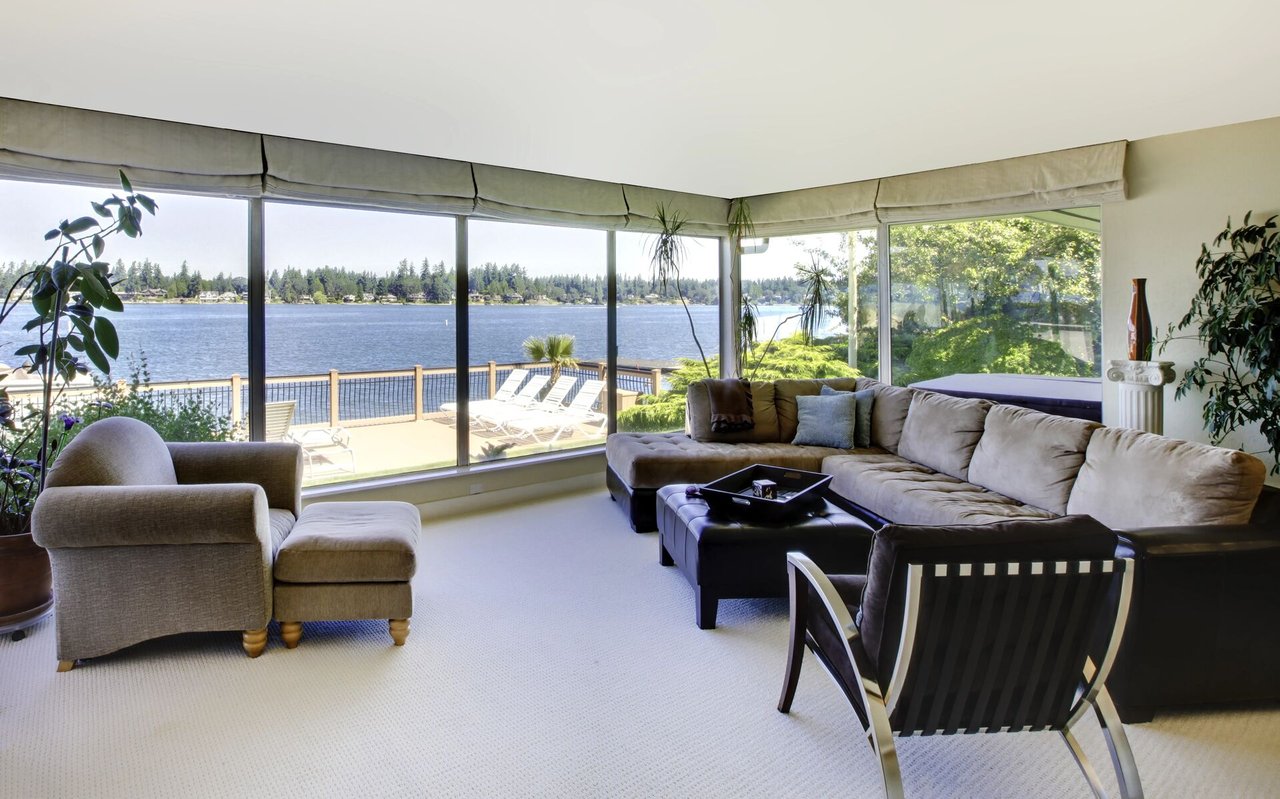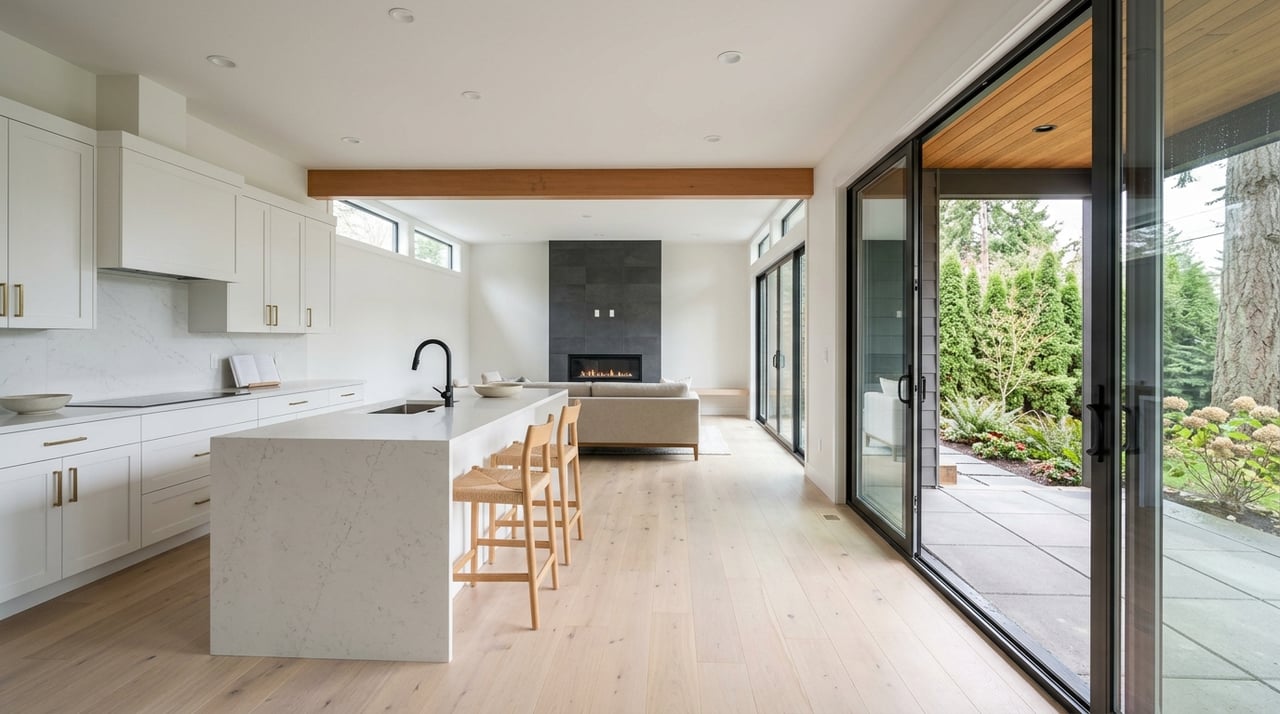
Trying to choose between a brand-new Bellevue home and an established neighborhood? You are not alone. For many Eastside buyers, this decision is less about which option is “better” and more about which tradeoffs fit your lifestyle, timeline, and long-term plans. In Bellevue, that choice is especially nuanced because the city offers both newer transit-oriented housing and deeply established residential areas in close proximity. Let’s dive in.
Where Bellevue’s New Construction Clusters
If you want new construction in Bellevue, your search will usually center on the city’s mixed-use growth areas. Bellevue’s long-range planning directs most future housing and job growth toward Downtown, BelRed, Crossroads, Wilburton, Eastgate, and Factoria, where transit and amenities are strongest.
That matters because it shapes where new inventory is most likely to appear. The city is also pursuing housing on three city-owned parcels in BelRed and Wilburton that could add as many as 850 units, which reinforces those districts as major parts of Bellevue’s future housing pipeline.
Downtown Bellevue stands out as the city’s primary economic and employment center and its fastest-growing residential neighborhood. BelRed is evolving into a more transit-oriented area with light rail stations, parks, pedestrian and bike facilities, and new neighborhood infrastructure. Wilburton is also positioned for change, with a role in the future light rail system and the Grand Connection pedestrian network.
Where Established Bellevue Neighborhoods Shine
Established neighborhoods still define much of Bellevue’s residential identity. These areas often appeal to buyers who want a stronger sense of place, mature landscaping, and a home setting that has developed over decades rather than a few years.
The city describes West Bellevue as one of Bellevue’s most historic and established areas. Lake Hills is noted as a late-1950s planned community that still retains much of its original single-family character. Bridle Trails is known for heavily wooded surroundings, large single-family lots, and tree protection.
Other long-established Bellevue areas bring their own patterns and feel. Newport includes several distinct communities with long-standing identity, and Woodridge is associated with quiet streets and single-family homes. These neighborhoods are not identical, but they often share the traits buyers associate with established areas: mature tree canopy, varied architecture, and a more layered neighborhood history.
New Construction: What You May Gain
For many buyers, the biggest draw of new construction is convenience. Bellevue’s 2 Line service began operating across Lake Washington in March 2026, and Bellevue stations now include South Bellevue, East Main, Downtown Bellevue, Wilburton, Spring District/120th, and BelRed/130th.
In practical terms, that gives many new-build buyers a clearer path to transit-oriented living. Depending on the property, you may be able to prioritize rail access, shorter commutes, newer pedestrian infrastructure, and a more walkable daily routine.
A newer home can also offer more modern performance. Efficient new homes are often built to standards aimed at energy savings, comfort, durability, and indoor health. In Bellevue, that can translate to newer systems, a more efficient building envelope, and fewer near-term repair surprises, although the exact result still depends on the builder and the home’s specifications.
Newer homes also tend to fit buyers who want a lower-friction move. If you are relocating for work or trying to simplify your next chapter, a home with current finishes and less immediate maintenance can feel more predictable in the early years of ownership.
Established Neighborhoods: What You May Gain
Established Bellevue neighborhoods often appeal to buyers who want space, texture, and character. The city’s neighborhood descriptions point to features such as wooded settings, waterfront access, lake and mountain views, mature landscaping, and long-standing neighborhood associations across places like West Bellevue, Bridle Trails, Newport, Lake Hills, Somerset, and Woodridge.
That does not mean every older home is larger or that every newer home is compact. Still, the local pattern is clear. Established areas often offer more mature outdoor surroundings and a wider range of home histories, updates, and architectural styles.
If you care about lot feel, privacy from landscaping, or a neighborhood that has evolved over time, these areas may align better with your priorities. Many buyers also appreciate that older neighborhoods can feel less uniform, with homes shaped by decades of renovations, additions, and individual ownership decisions.
Bellevue Offers a Middle Ground
Bellevue is not a simple old-versus-new market. Some neighborhoods combine established residential fabric with more recent updates, infill development, or nearby amenities.
Northwest Bellevue is a strong example. The city notes that it includes ranch estates, ramblers, extensive remodels, and larger newly built homes. For some buyers, that mix creates a useful middle path because you may find newer construction or substantially updated homes without giving up the context of an established neighborhood.
Eastgate, Factoria, and Crossroads can also fit buyers who want balance. The city describes Eastgate and Factoria as a mix of office, retail, multifamily communities, and established single-family neighborhoods, while Crossroads combines apartment communities, established single-family areas, and retail. If you want convenience without a fully downtown setting, these areas can be worth a closer look.
Think Beyond Finishes and Staging
It is easy to compare quartz counters, appliance packages, or curb appeal. In Bellevue, the smarter comparison usually goes deeper than surface-level finishes.
With new condos and townhomes, association structure matters. Under Washington law, most common-interest communities must prepare an initial reserve study, update it annually, and arrange a professional visual site inspection at least every third year unless an exemption applies. The same law notes that reserve funding gaps can lead to deferred maintenance, higher future contributions, borrowing, or special assessments.
That means a newer Bellevue condo or townhome should be evaluated not just for design and amenities, but also for dues, reserve health, and capital planning. A beautiful building can still create financial surprises if the association is underprepared.
Established single-family homes usually present a different kind of risk. You may have less formal HOA exposure, but more individualized maintenance exposure. In older Bellevue neighborhoods, renovation quality and system age can vary widely from one home to the next.
It is also helpful to separate neighborhood associations from HOAs. Bellevue notes that residents can form or revitalize neighborhood associations, but those are not the same as binding homeowners associations with the same legal and financial structure.
Resale Depends on the Right Details
If resale matters to you, Bellevue’s growth pattern offers a useful framework. In newer buildings, future value is likely tied closely to exact location, building quality, HOA health, and access to transit and amenities, especially because the city is concentrating both jobs and new housing in the same centers.
In established neighborhoods, resale appeal can come from different strengths. Scarcity, mature character, wooded or waterfront settings, and a long-standing neighborhood identity may all support lasting demand.
This is why the smartest Bellevue decision is rarely based on age alone. Two homes at similar price points can have very different long-term advantages depending on location, upkeep, association structure, and how well the property fits what future buyers are likely to value.
A Practical Bellevue Decision Framework
If you are weighing new construction against an established neighborhood, start with the tradeoff that matters most to you. In Bellevue, that usually comes down to whether you value transit-oriented convenience and lower near-term maintenance, or established character, larger-lot feel, and neighborhood texture.
A simple way to frame your decision is to ask:
- Do you want easier access to rail, mixed-use amenities, and newer infrastructure?
- Do you prefer mature trees, more varied architecture, and a neighborhood with a longer history?
- Are you comfortable reviewing HOA budgets, reserve studies, and dues?
- Would you rather manage the maintenance profile of an older single-family home yourself?
- Is your priority move-in ease, or is it long-term setting and lot feel?
Your school search should also be address-specific from the start. Bellevue School District states that every address in the district is assigned to an attendance-area school, and resident students are guaranteed a seat there. This is especially important in areas like Newport, which the city says is served by both Bellevue School District and Renton School District.
One final point is worth keeping in mind. Bellevue is unusual because it gives you access to both newer and established housing patterns in a relatively compact area. Some of its most established neighborhoods also benefit from meaningful transit access, including West Bellevue’s access from South Bellevue Station.
The best choice is the one that matches how you actually want to live, not just what looks strongest on paper. If you want a research-driven, highly tailored approach to Bellevue’s neighborhood tradeoffs, Diane Tien can help you compare options with clarity, strategy, and local insight.
FAQs
What areas of Bellevue have the most new construction?
- In Bellevue, new housing is most likely to cluster in Downtown, BelRed, Wilburton, Crossroads, Eastgate, and Factoria because the city is directing most future growth to those mixed-use, transit-connected centers.
What do established Bellevue neighborhoods typically offer buyers?
- Established Bellevue neighborhoods often appeal to buyers looking for mature landscaping, varied architecture, wooded surroundings, larger-lot feel, and a stronger sense of long-term neighborhood identity.
What should you review before buying a new Bellevue condo or townhome?
- You should review HOA dues, reserve studies, reserve funding, and the association’s capital planning, since Washington law requires ongoing reserve study updates for most common-interest communities.
Are all older Bellevue neighborhoods the same?
- No. Bellevue’s established neighborhoods vary widely, and some areas like Northwest Bellevue include older homes, major remodels, and newer infill construction side by side.
Why should Bellevue buyers verify school assignment by address?
- Bellevue School District assigns attendance-area schools by address, and some Bellevue areas such as Newport are served by more than one school district, so address-level confirmation is important early in your search.