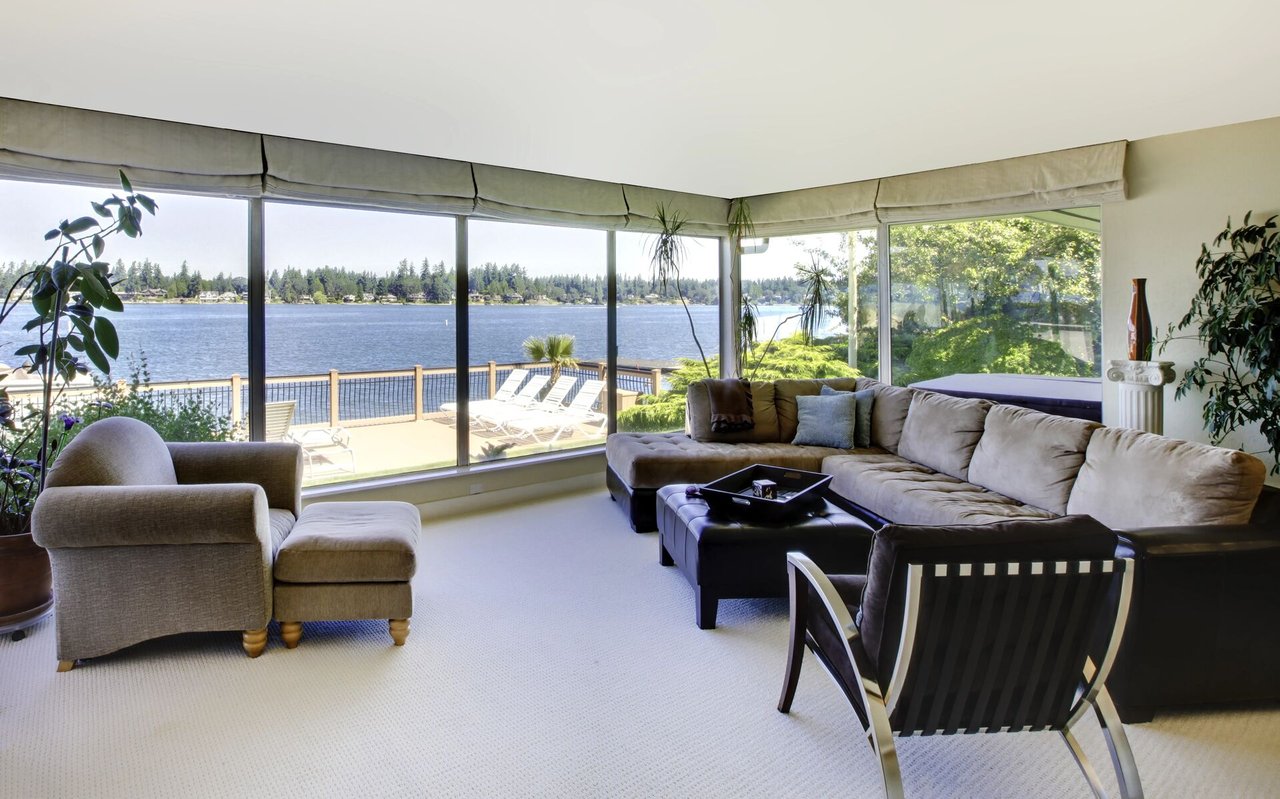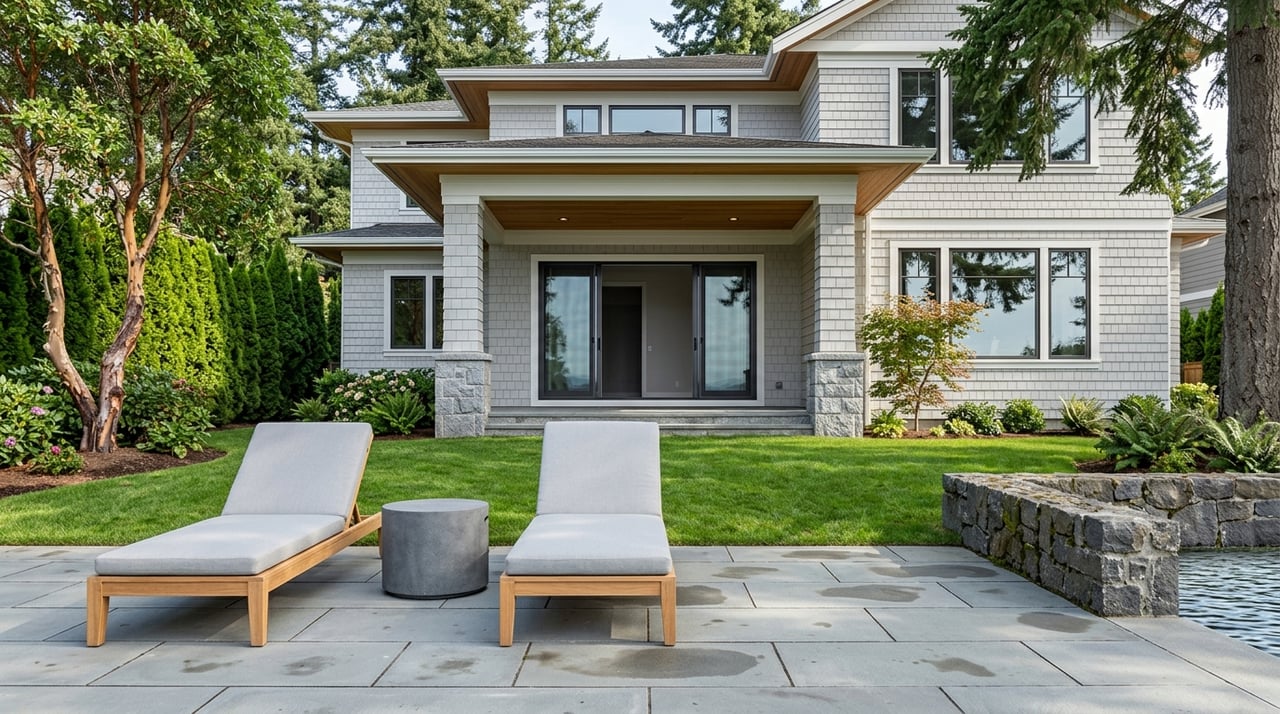
Curious why some Medina homes attract immediate interest while others sit, even in a market where multimillion-dollar prices are the norm? If you are preparing to sell a waterfront or in-town home here, the answer usually comes down to positioning, not just price. In a small, high-value market like Medina, buyers look closely at location details, property constraints, and future flexibility. This is where a tailored strategy matters most. Let’s dive in.
Why Medina Positioning Requires Precision
Medina is a compact Lake Washington community with just over 3,200 residents, located between Bellevue and Seattle. Downtown Seattle is about nine miles away, and Bellevue’s commercial core is roughly 1.5 miles east. That location, combined with the city’s limited housing supply and sought-after waterfront, creates a highly specialized market.
Recent data shows just how high-value and thin this market is. Redfin reported a May 2026 median sale price of $5.56 million, with 10 homes sold, 26 median days on market, a 96.5% sale-to-list ratio, 20% of homes selling above list, and 23% with price drops. Zillow reported an average home value of $4.63 million, a median list price of $4.68 million, 26 homes for sale, and 7 new listings as of June 30, 2026.
Because Medina has so few sales, broad averages only tell part of the story. A few transactions can shift the median quickly. That means your home should be positioned based on micro-location, lot utility, condition, and property-specific features rather than citywide numbers alone.
Positioning Medina Waterfront Homes
Waterfront homes in Medina are not just luxury homes with views. They are also properties shaped by shoreline rules, site conditions, and redevelopment potential. Buyers often evaluate these homes as both lifestyle properties and long-term land-use opportunities.
Shoreline Rules Shape Value
Medina’s Shoreline Master Program applies to land within 200 feet of Lake Washington’s ordinary high-water mark, along with certain wetlands and flood-related areas. Depending on the project, shoreline-related work may require a shoreline exemption, substantial development permit, conditional use permit, or variance. Some cases may also involve hearing-examiner review.
These rules affect how buyers think about future changes. Two waterfront homes with similar views may have very different redevelopment options depending on shoreline environment designations, setbacks, and other site-specific factors. In Medina, that difference can influence both pricing confidence and buyer demand.
Docks, Piers, and Overwater Structures Matter
Overwater structures in Medina include piers, docks, buoys, moorage piles, boat lifts, and floats. The city’s shoreline framework allows only one pier or dock and one float per single-family lot. Shoreline setbacks, native vegetation preservation, and impervious-surface standards also apply.
For sellers, this means waterfront marketing should be exact and well documented. Buyers want to know what shoreline structures are included, what has been permitted in the past, and what future work may or may not be feasible. Clear answers can reduce hesitation during the sale process.
Site Risk and Documentation Influence Buyer Confidence
Medina’s comprehensive plan identifies parts of the Lake Washington shoreline as erosion hazard areas. It also notes that the entire shoreline has moderate to high liquefaction susceptibility. These conditions do not automatically stop a sale, but they do raise the importance of due diligence.
In practical terms, buyers often expect a clear record of permit history, dock information, bank stability, and maintenance. If your property has strong documentation, that can support stronger positioning. If documentation is incomplete, that issue may affect pricing strategy and launch timing.
Waterfront Positioning Should Go Beyond Square Footage
In Medina, waterfront value is often tied to more than the home itself. View quality, water access, dock or pier status, maintenance history, and future flexibility can matter as much as interior finishes or square footage. That is why waterfront positioning should present the property as a complete package, not just a luxury residence.
A strong listing strategy often starts with the questions buyers are already asking. What is permitted here? What shoreline assets are included? How easy will future updates be? When those answers are clear, buyers can focus on the opportunity instead of the uncertainty.
Positioning Medina In-Town Homes
In-town Medina homes operate in a different lane. They should not be marketed as a lesser version of waterfront. Instead, they should be positioned as a distinct luxury product with its own advantages.
In-Town Value Comes From Daily Livability
Medina was originally platted with large lots and developed slowly. Most streets were built without curb, gutter, or sidewalks, which contributes to the area’s established physical character. For in-town homes, value is often driven by lot size, privacy, remodel quality, outdoor living, and how the property functions day to day.
This is especially important in a market where buyers often have choices across Bellevue, Mercer Island, and other Eastside neighborhoods. In-town Medina homes tend to compete on land utility, design quality, and convenience rather than shoreline rights. That distinction should shape both the pricing narrative and the marketing presentation.
Commute Access Supports the Story
Medina offers practical access to key regional destinations. Bellevue’s commercial core is about 1.5 miles east, downtown Seattle is about nine miles away, and the city has access to SR 520, transit stops, the Evergreen Point Park & Ride, parks, docks, and the Points Loop Trail.
For many buyers, that combination supports a lifestyle of privacy with strong regional connectivity. If you are selling an in-town home, the positioning should reflect how the property supports everyday convenience, outdoor access, and ease of movement around the Eastside and Seattle.
Overlay Rules Can Affect Future Plans
Some in-town properties need added scrutiny because zoning or overlays may affect future changes. For example, the Medina Heights neighborhood in the southeastern part of the city has a 20-foot height limit under the Neighborhood Character Preservation District overlay.
That may matter to buyers considering expansion, a major remodel, or redevelopment over time. If your property falls under a special overlay or has unusual setback conditions, those details should be reviewed early. Clear pre-listing analysis can help prevent confusion later.
Pricing Strategy in a Thin Market
Medina’s limited inventory makes disciplined pricing essential. With only 10 homes sold in May 2026 and 26 homes for sale plus 7 new listings at the end of June, even one mispriced listing can stand out quickly. In a market this small, pricing mistakes can also influence how buyers interpret the rest of the inventory.
That is one reason price drops deserve attention. Redfin reported that 23% of homes had price drops, even while the market maintained a strong overall sale-to-list ratio. Buyers in this price range are often well informed, and current financing conditions can make them even more focused on value, condition, and perceived risk.
Freddie Mac reported a 30-year fixed mortgage rate averaging 6.55% on July 16, 2026. Even affluent buyers may respond carefully to uncertainty when borrowing costs remain elevated. For sellers, that means strategic pricing should leave room for the market to say yes, not force buyers to solve too many unknowns on their own.
Launch Timing Matters, But Readiness Matters More
Seasonality research points toward spring as an important listing window, but the exact peak is not one-size-fits-all. Redfin’s 2026 analysis found that the West Coast typically peaks in March and that late April is the best time to list nationally. Zillow’s 2026 analysis found that homes listed in the last two weeks of May sold for the highest prices nationally.
For Medina sellers, the best takeaway is to start planning early. Preparation should begin well before spring so the home, documents, and pricing strategy are ready when the right window opens. The best launch week depends on the property’s condition, buyer audience, and competitive landscape at that moment.
When a Custom Listing Plan Is Essential
Some Medina homes need more than a standard comparative market analysis and a polished photo package. A customized strategy becomes especially important when the property is inside shoreline jurisdiction, includes a dock or pier, falls under Medina Heights or another overlay, or has few direct comparable sales.
Waterfront applications may require a deed, site plan, and mitigation or restoration materials. In some cases, a shoreline conditional use permit hearing may also be involved. That level of complexity can affect pricing, pre-market preparation, disclosure strategy, and the way a property is presented to buyers.
This is where a research-driven, high-touch approach can make a meaningful difference. A seller benefits from a plan that accounts for market data, property constraints, buyer psychology, and the practical details needed to reduce friction from launch through negotiation.
If you are thinking about selling a Medina waterfront or in-town home, the most effective next step is not guessing where it should land based on a citywide average. It is building a property-specific strategy around what your parcel offers, what buyers will question, and how the market is behaving right now. If you want a measured, market-backed plan with boutique guidance from start to finish, schedule a strategic consultation with Diane Tien.
FAQs
What affects Medina waterfront home value most?
- In Medina, waterfront value often depends on view quality, water access, dock or pier status, maintenance history, shoreline rules, and future redevelopment flexibility as much as finished square footage.
What should sellers disclose about a Medina waterfront property?
- Buyers commonly want documentation related to permit history, shoreline structures, bank stability, and what future alterations may be feasible under Medina’s shoreline framework.
How are Medina in-town homes different from waterfront homes?
- In-town Medina homes are typically positioned around lot utility, privacy, remodel quality, outdoor living, and commute convenience rather than shoreline rights or overwater amenities.
Does Medina have special zoning or overlay rules?
- Yes. Certain properties may be affected by shoreline jurisdiction, setbacks, or overlays such as the Medina Heights Neighborhood Character Preservation District, which includes a 20-foot height limit.
When is the best time to list a home in Medina?
- Spring is often a strong listing period, but the best launch window for a Medina home depends on the property’s readiness, documentation, pricing strategy, and the current competitive landscape.
Why is pricing so important in Medina?
- Medina has a thin inventory and low monthly sales volume, so a few listings can shape buyer expectations quickly. A property-specific pricing strategy helps reduce the risk of extended market time or later price drops.