If you are moving to Redmond for work, new construction can look like the easiest path forward. You get modern layouts, lower-maintenance living, and in many cases, a location that lines up with the Eastside’s changing transit map. The catch is that Redmond new construction does not work like a typical large-lot suburban market, so it helps to know what you are really buying before you commit. Let’s dive in.
Why Redmond Appeals to Tech Buyers
Redmond’s housing story is closely tied to the local tech economy. Microsoft’s main campus has been in Redmond since 1986, and the city’s major employer base also includes companies like Amazon, Meta, and Nintendo of America, according to the City of Redmond’s largest employers information and Microsoft’s campus history. For many buyers, that translates into a practical search focused on commute patterns, convenience, and homes that feel turnkey from day one.
Transit is also a bigger part of the value equation than it was even a few years ago. Sound Transit reports that the 2 Line extension to Downtown Redmond and Marymoor Village opened on May 10, 2025, and the full East Link connection across Lake Washington opened on March 28, 2026. That means access to light rail is now a current benefit, not just a future talking point.
Where New Construction Is Concentrated
Redmond is not growing through endless outward sprawl. The city’s Redmond 2050 Comprehensive Plan says growth is centered in urban villages and transit-oriented areas, with most new housing units completed, under construction, or under review located within those centers.
For buyers, that makes three areas especially relevant:
- Downtown Redmond, one of the city’s designated regional growth centers
- Overlake, an urban center with mixed-use, transit-oriented zoning
- Marymoor Village, a more walkable district planned around nearby living, shopping, and rapid transit connections
If your goal is to stay close to transit, these are the clearest starting points. If you want a more established residential feel while still staying near central Redmond, areas like Education Hill and Willows or Rose Hill may still be part of your search, even though the newest transit-oriented product is more concentrated elsewhere.
What Redmond New Construction Looks Like
One of the biggest surprises for relocating buyers is that Redmond new construction comes in a wider range of housing types than a traditional single-family suburb. The city’s residential zoning framework allows detached homes, duplexes through sixplexes, townhouses, stacked flats, courtyard apartments, and cottage housing in neighborhood residential zones, with much higher density allowed in Downtown and Overlake.
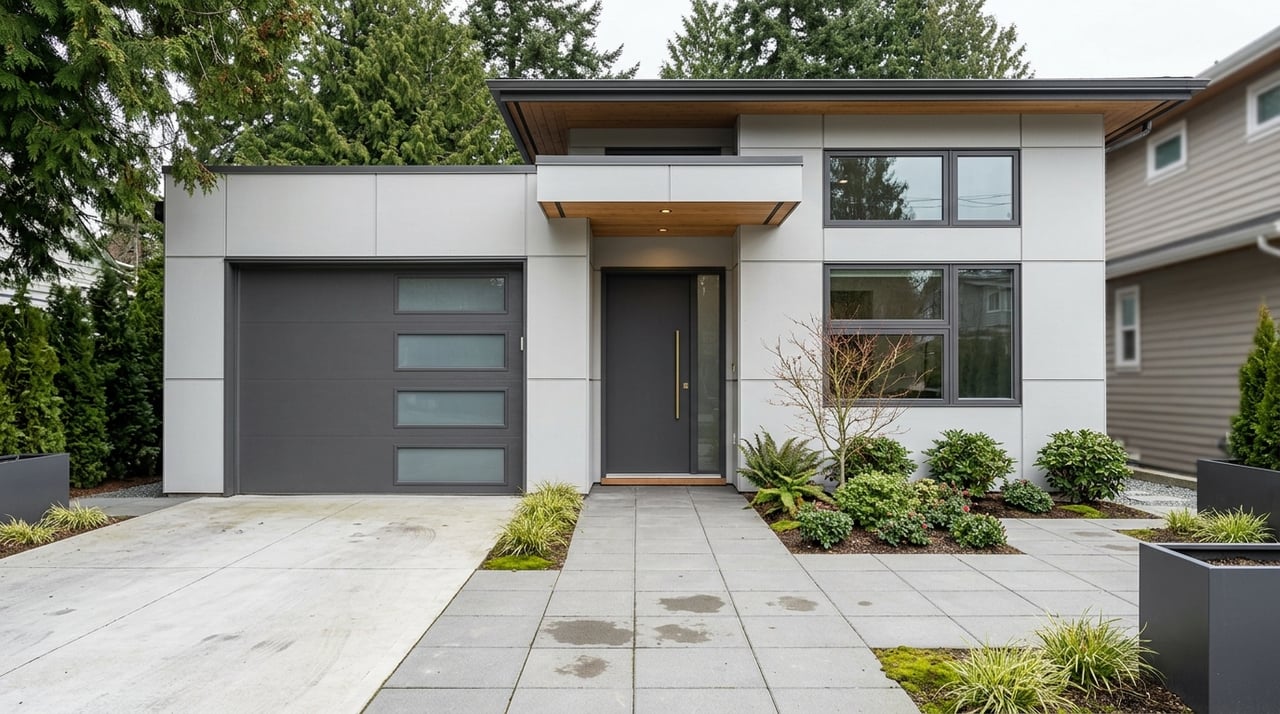
In plain terms, that means your “new build” options may include a three-story townhome near transit, a compact cottage-style detached home, or an infill single-family property on a smaller site. Large-lot new subdivisions are less common than many out-of-area buyers expect.
Townhomes and Attached Options
Attached housing is a major part of Redmond’s new-construction pipeline. At Willows 124, for example, Tri Pointe offers 2- to 4-bedroom townhomes ranging from about 1,505 to 2,787 square feet, typically with one- to two-bay garages across three stories. The builder also notes that the community is Built Green 4-Star Certified.
For many tech corridor buyers, this format checks a lot of boxes. You may get newer systems, less exterior upkeep, and a more predictable commute pattern, especially when compared with an older home that may need near-term updates or a longer drive.
Cottage and Smaller Detached Homes
Detached homes are still available, but they often come in a smaller, more efficient format. Canopy Cottages is described by Toll Brothers as a 26-home community with 2- to 3-bedroom cottage-style homes from 1,259 to 1,488 square feet, plus features such as a clubhouse, greenbelt setting, and maintained yards.
If you want a detached home without taking on a large lot, this style can be worth a close look. It offers more separation than an attached product, but usually with less private outdoor space than older suburban homes.
Infill Single-Family Homes
In more established parts of Redmond, new detached housing is often created through infill development rather than major master-planned neighborhoods. The city’s development pages show examples like Heritage Heights, a six-lot proposal on 1.94 acres, along with small-lot and short-plat projects such as Kinsale Short Plat and redevelopment projects like Belcaro.
That matters because lot size, street layout, and home spacing may feel very different from older Eastside neighborhoods. If you are targeting a newly built detached home, it is smart to expect boutique-lot development more often than expansive yards.
Best Redmond Areas for Transit Access
If transit access is high on your list, your search should stay focused on the city’s growth centers.
Downtown Redmond
Downtown Redmond is one of the city’s main growth areas and a strong fit if you want urban convenience, newer mixed-use housing, and direct access to rail service. Housing here is more likely to be attached, amenity-oriented, and integrated into a walkable setting.
Overlake
Overlake is planned for mixed-use, transit-oriented growth with mid-rise and high-rise potential near light rail. If your work routine centers on the broader tech corridor, this area can be appealing because zoning supports more housing close to jobs and stations.
Marymoor Village
The city says Marymoor Village will include mixed-use developments and some townhomes along pedestrian streets and near Marymoor Park. For buyers, that often means smaller private yards, shared amenities, and site plans that emphasize trails, walkability, and transit connectivity.
What Timelines Really Look Like
New construction in Redmond can move on two very different timelines. Some homes are already near completion and available as quick move-ins, while others are still tied to permitting, utility work, inspections, and final approvals.
The city’s permit processing timelines say most Type II, III, IV, and V permits are targeted for decision within 120 days after an application is deemed complete. Short plats are processed in 30 days, and preliminary plats in 90 days. Once construction is underway, inspections must be requested at required stages, and a final inspection is needed before the project can close out.
For buyers, the key question is simple: are you buying a home that is nearly done, or are you buying into a process? That distinction affects your move date, financing strategy, and your comfort with delays.
What to Know About Inspections and Occupancy
Even with brand-new homes, inspections still matter. During construction, city inspections happen at required stages before work is covered, and the city says a certificate of occupancy is issued to the owner on record after final approval.
That does not replace your own diligence as a buyer. You still want a clear understanding of completion status, punch-list items, appliance installation, and any builder timelines for final fixes before or after closing.
How Builder Negotiation Usually Works
In Redmond, negotiation is often less about a dramatic headline price cut and more about improving the total package. Builders may offer closing credits, temporary rate incentives, design upgrades, or move-in-ready inventory, depending on the home and timing.
For example, Tri Pointe’s Willows 124 page advertises move-in-ready and ready-to-build inventory along with limited-time incentives such as closing credit and a special low mortgage rate for eligible homes. Research like this is helpful because it shows why buyers should compare the full structure of the deal, not just the list price.
Here is what to evaluate side by side:
- Base price
- Lot premium
- Included finishes
- Design-studio allowances
- Mortgage rate incentives
- Closing-cost credits
- Timing of delivery
- HOA structure and shared amenities
A lower sticker price is not always the better value if another home includes stronger financing support or fewer out-of-pocket upgrades.
Why Amenities and Shared Spaces Matter More
Redmond’s current growth model shapes the kind of communities buyers will see. The city’s Development Incentives Program ties added height and floor area in places like Downtown, Overlake, and Marymoor Village to benefits such as green building, open space, public amenities, inclusive design, and affordable housing.
In practical terms, that often means more attached housing, more shared amenities, and more variation in finish packages than you may find in older neighborhoods. If you are comparing resale to new construction, part of the decision may come down to whether you value private lot space or shared convenience and modern planning.
Understand Washington Warranty Protections
New construction buyers in Washington should know the difference between a statutory new-home warranty and an optional third-party home warranty plan. Under Chapter 64.50 RCW, the Legislature’s summary of the statutory warranty says new homes must include minimum coverage periods of 2 years for materials and workmanship, 3 years for electrical, plumbing, heating, cooling, and ventilating systems, 5 years for water penetration, and 10 years for structural defects.
That protection is important, but process matters too. Construction defect claims follow a notice-and-opportunity-to-cure framework, so it is wise to keep organized records, report issues promptly, and understand that a builder punch list is not necessarily the same as a formal warranty claim.
Vet Builders and Post-Closing Vendors
If you are researching a builder, remodeler, or repair vendor, Washington Labor & Industries recommends checking contractor registration, workers’ compensation status, citations, and bond information through its contractor verification tools. That step can add confidence before you commit to work or repairs.
For relocating buyers, this is especially useful after closing. Even a newly built home may need window treatments, storage improvements, custom upgrades, or follow-up service from licensed professionals.
A Smart Redmond New Construction Strategy
If you are buying in Redmond’s tech corridor, the best approach is usually to match the home type to your real daily priorities. If you want convenience and transit access, focus first on Downtown, Overlake, and Marymoor Village. If you want detached construction, be prepared for smaller lots, boutique communities, or infill opportunities instead of classic large-lot suburban inventory.
Most of all, treat new construction like a full financial and lifestyle decision, not just a shiny product. The strongest outcomes often come from comparing location, delivery timeline, incentives, warranties, and long-term fit as one package.
If you want strategic guidance on Redmond new construction, relocation timing, or Eastside home options that align with your goals, Diane Tien offers research-driven, high-touch advisory tailored to your move.
FAQs
What types of new construction homes are common in Redmond?
- Redmond buyers will commonly see townhomes, cottage-style detached homes, mixed-use residences near transit, and infill single-family homes on smaller lots rather than large new suburban subdivisions.
Which Redmond areas are best for transit-oriented new construction?
- Downtown Redmond, Overlake, and Marymoor Village are the city’s strongest transit-oriented options because growth and housing planning are concentrated around those centers and rail access.
Are detached new construction homes still available in Redmond?
- Yes, but they are often boutique-lot, infill, or short-plat homes instead of large-lot developments.
How long can a Redmond new construction timeline take?
- Timing varies widely depending on whether the home is already near completion or still moving through permitting, inspections, utility work, and final approvals.
What should buyers negotiate on a Redmond new build besides price?
- Buyers should compare closing credits, mortgage rate incentives, lot premiums, included finishes, design allowances, delivery timing, and HOA or amenity structures, not just the base price.
What warranty protections apply to new homes in Washington?
- Washington’s statutory new-home warranty includes minimum coverage periods for materials and workmanship, major systems, water penetration, and structural defects, with specific claim procedures under state law.